Choosing connectors
What connectors does Rapid stock?
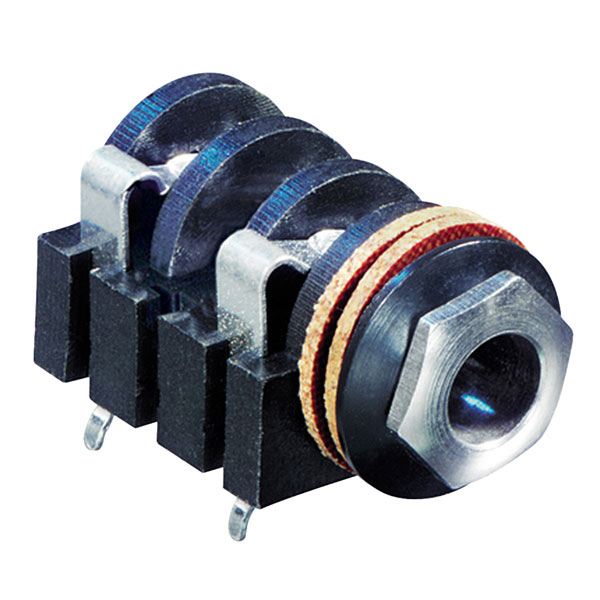
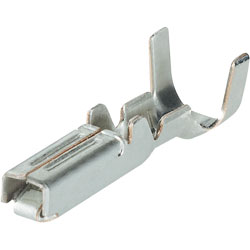
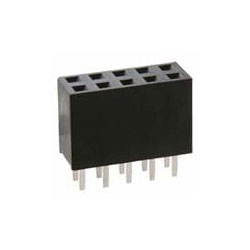
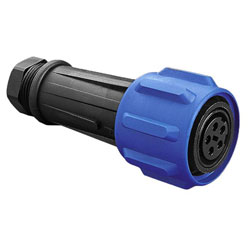
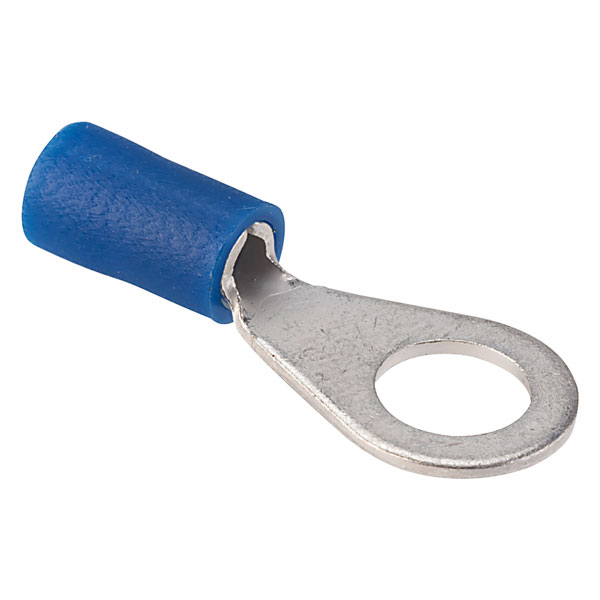
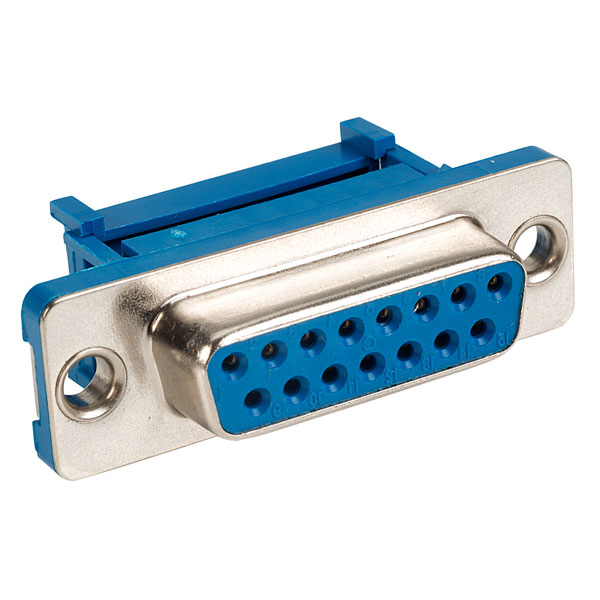
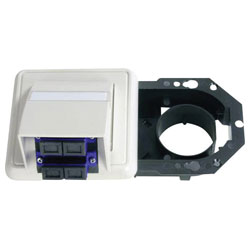
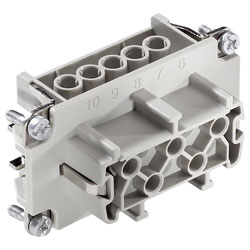
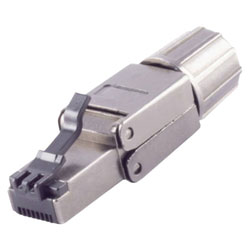
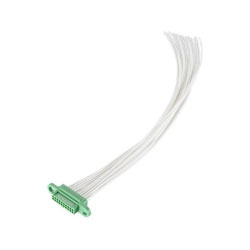
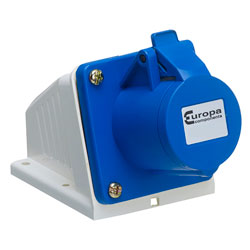
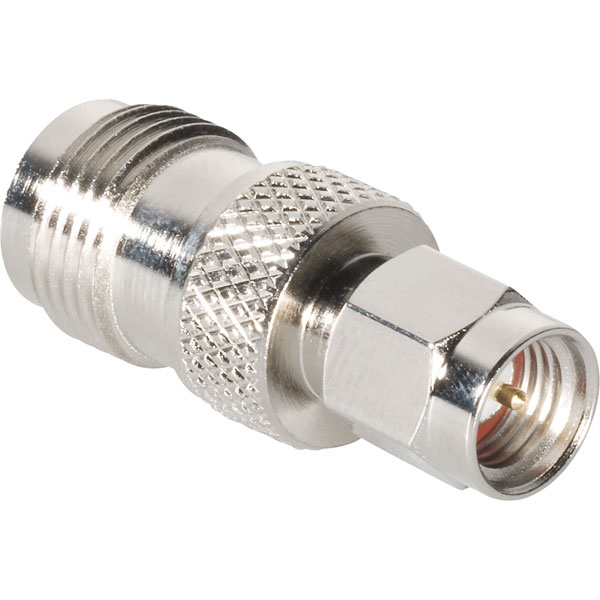
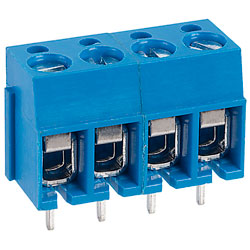
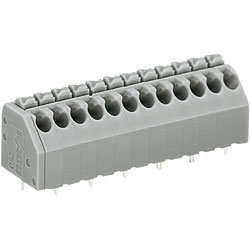
The range is organised by how a connector is used. For boards there's board-to-board and wire-to-board connectors, pin headers and IC sockets; for wiring, crimps, splices and terminals in every common style — ring, spade, blade, bootlace ferrules and butt splices. Panel and industrial work is covered by circular, heavy-duty and D-type connectors; power and mains by power connectors, including IEC inlets and outlets and DC power; and data and signal by modular RJ, USB, RF and coaxial, fibre optic and FFC/FPC. Terminal blocks, audio and video, automotive and test connectors round it out.
How do I choose the right connector?
Start with what's being connected and how — wire to a board, board to board, wire to wire, or a cable through a panel — since that points straight to a connector family. Then match the electrical side: the current and voltage each contact must carry, and the number of ways you need. Next the termination — crimp, solder, IDC or screw — which is as much about how the assembly is built as the connection itself. Finally the environment: a bench prototype is forgiving, but anything exposed to vibration, moisture or dust wants a locking, sealed or IP-rated type such as a circular or heavy-duty connector. Pitch, mating cycles and whether it needs to be keyed or polarised then narrow it to a specific part.
Crimp, solder or IDC — which termination should I use?
A crimp made with the correct tool gives a fast, repeatable, gas-tight joint that stands up well to vibration, which is why crimped terminations dominate production wiring and looms — see crimps, splices and terminals and the matching crimp kits. Soldered connections suit board-level and lower-volume work where a permanent joint is wanted. IDC (insulation-displacement) connectors terminate a whole ribbon or multi-way cable in one press without stripping each core, which makes them quick for internal data cabling. The right choice usually follows the volume and the assembly method as much as the electrical need.
Can you supply connectors for production and prototyping?
Yes. The range runs from a single connector for a prototype through to reeled and bulk quantities for a production line, with the datasheets and compliance data manufacturing needs to specify a part with confidence. Sourcing connectors alongside the cable and wire and terminal blocks they mate with — and the wider components range — keeps a bill of materials consistent from one account, rather than split across several suppliers.


 {{SessionBasket.ItemCount }}