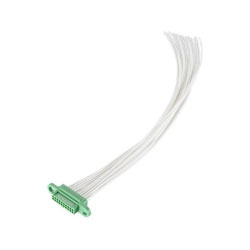
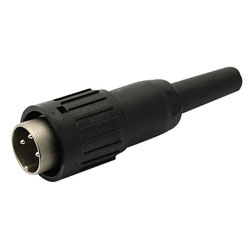
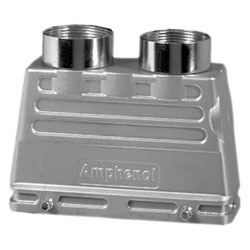
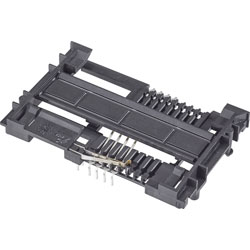
PC, Memory Cards & IC Sockets
Matched to spec · UK stock, same-day despatch · bespoke quantities · technical support from people who know the products.
An IC socket lets you fit and remove a chip without soldering it in, so repairs, upgrades and reprogramming stay quick and simple. We stock every common format — DIP and DIL, turned-pin, ZIF, SMD and PLCC, from 8 to 64 pins — plus memory card and SIM holders.
Our own brand, TruConnect, has a socket for every chip — DIP, turned-pin and ZIF from 8 to 64 pins, with the tight, reliable grip that makes reseating painless and the value to keep a build affordable. In UK stock for next-day delivery, with technical back-up when you need it. Discover all of our own brands today.
Top Brands In PC, Memory Cards & IC Sockets
IC sockets — buying guide & FAQs
An IC socket is soldered to the board in place of the chip, so the integrated circuit can be plugged in and removed without soldering. That protects the chip from heat, makes replacement and reprogramming quick, and simplifies field service. We stock the full range, from single-chip DIP sockets to programming-grade ZIF sockets.
What types of IC socket are there?
- DIP / DIL sockets — the standard two-row through-hole socket, specified by pin count from 8 to 64.
- Turned-pin (machined) — precision round contacts for a tight grip and repeated insertions.
- Stamped (dual-leaf) — lower-cost contacts for general-purpose use.
- ZIF sockets — a lever clamps the chip, so no force is needed to insert or remove it; ideal for programming.
- SMD and PLCC — surface-mount and chip-carrier sockets for modern packages.
Why use an IC socket?
Socketing a chip means you can swap or reprogram it without desoldering, keeps soldering heat away from sensitive devices during assembly, and makes fault-finding far quicker. It is standard practice for microcontrollers, EPROMs and any device you may need to replace.
How do I choose an IC socket?
- Pin count — match the chip, from 8 to 64 pins.
- Row spacing — the width of the package (commonly 0.3in or 0.6in).
- Contact type — turned-pin for reliability and reuse, stamped for cost.
- Mounting — through-hole or SMD, plus ZIF where a chip is changed often.
Not sure which to specify? Our technical team will help you match a part, and we supply bespoke quantities when a project needs them.
Memory card and SIM holders
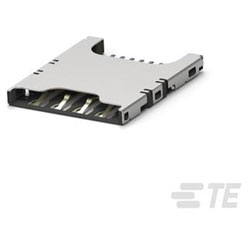
This category also covers card connectors: PC & memory cards for SD, microSD and similar, and SIM card holders for embedded and IoT designs. For accessories, see the category accessories.
TruConnect — the same spec, for less
Our own TruConnect IC sockets are the default choice on this page: matched to the branded parts on pin count, contact type and footprint, and held in UK stock. Where a part has a branded equivalent, we show the TruConnect option beside it so you can compare the spec and the price directly, then decide. Every part is backed by technical support from people who know the products.
For the wider range, browse all connectors, or the chips themselves under integrated circuits.
IC sockets — frequently asked questions
What is an IC socket?
An IC socket is a holder soldered to a board that lets you plug in and remove an integrated circuit without soldering the chip itself. It protects the IC from soldering heat and makes replacement or reprogramming quick and easy.
Why use an IC socket instead of soldering the chip?
A socket lets you swap or reprogram a chip without desoldering, protects sensitive ICs from soldering heat, and makes fault-finding and field service far easier. It is standard practice for microcontrollers, EPROMs and other replaceable devices.
What is the difference between turned-pin and stamped IC sockets?
Turned-pin (machined) sockets have precision round contacts for a tight, reliable grip and repeated insertions. Stamped (dual-leaf) sockets are lower cost and fine for general use. Choose turned-pin where reliability or frequent changes matter.
What is a ZIF socket?
A ZIF (zero insertion force) socket has a lever that clamps the chip once seated, so no force is needed to insert or remove it. It is ideal for programming and testing where a chip is changed often.
Is a DIP socket the same as a DIL socket?
Yes. DIP (dual in-line package) and DIL (dual in-line) describe the same two-row through-hole format. Both are specified by pin count, from 8 up to 64 pins, and by the row spacing.


 {{SessionBasket.ItemCount }}