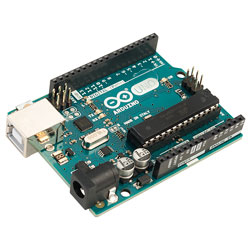
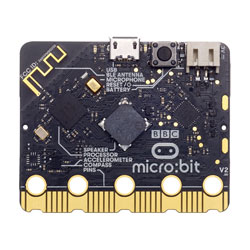
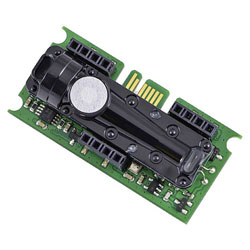
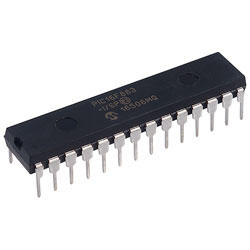
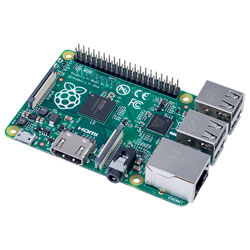
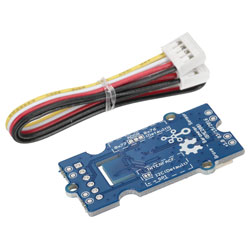
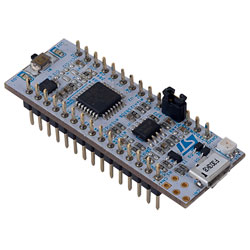
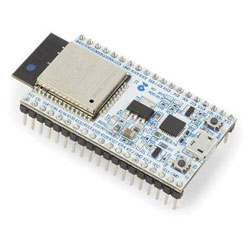
Single board computers and microcontrollers put a complete, programmable system on one board — the foundation for professional prototyping, industrial control, robotics, maker projects and the classroom alike. Rapid stocks the major platforms in one place: the BBC micro:bit, Arduino, Raspberry Pi, PICAXE and Genie, alongside the add-on boards, sensors and accessories that build on them.
Choosing a board
What's the difference between a microcontroller and a single board computer?
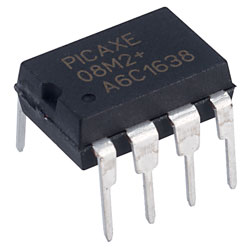
In short: a microcontroller (Arduino, PICAXE, Genie) runs one program directly on the hardware and suits control tasks and embedded projects, while a single board computer such as the Raspberry Pi runs a full operating system for heavier, multitasking work. Our guide to microcontrollers vs single-board computers compares the two in full and helps you choose.
Arduino or Raspberry Pi for my project?
Choose Arduino for real-time electronics control, precise timing and simple, reliable operation. Choose Raspberry Pi when you need processing power, an operating system, networking, or a display or camera. Many projects use both — a Pi for the heavy lifting and an Arduino handling the hardware interface.
Which board is best for getting started or teaching?
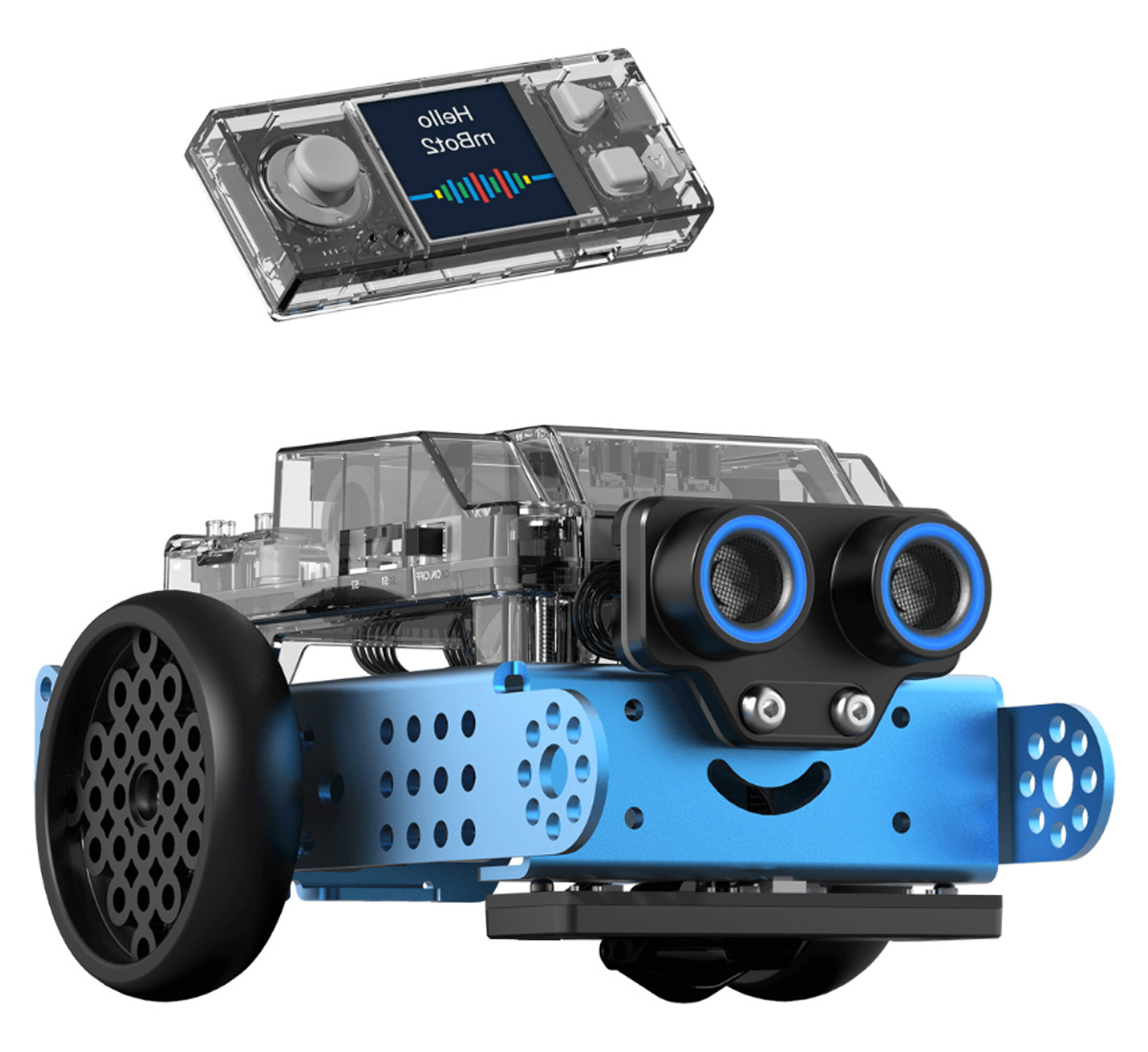
The BBC micro:bit is the easiest entry point: its display, buttons, sensors and radio are built in, so a first program works with no wiring, and it scales from block-based MakeCode to Python. It's the mainstay of KS2–KS4 computing and a low-friction start for newcomers of any age. For choosing robots and kits around it, see our robotics and engineering range.
Which platform suits professional prototyping or industrial use?
Arduino and Raspberry Pi both offer industrial-grade variants and longer-availability options suited to product development and deployment, with wide ecosystem support. If you're prototyping toward production, weigh board longevity and the add-on ecosystem, not just the headline specification.
What else do I need alongside the board?
At minimum a power supply and the right cable; most projects then add sensors, breakout or add-on boards, motor and controller boards, and a case. Starter kits bundle the essentials together, and for classes or teams, class-pack quantities keep the per-unit cost down.


 {{SessionBasket.ItemCount }}