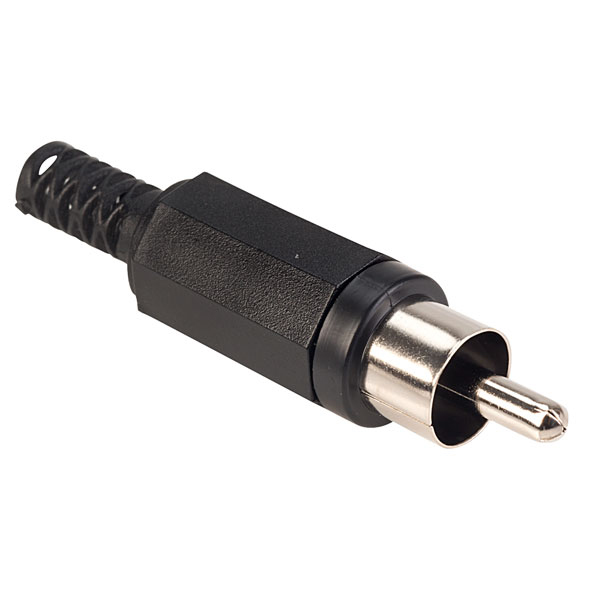
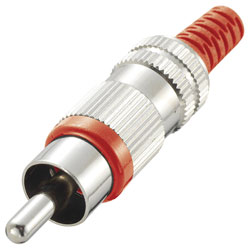
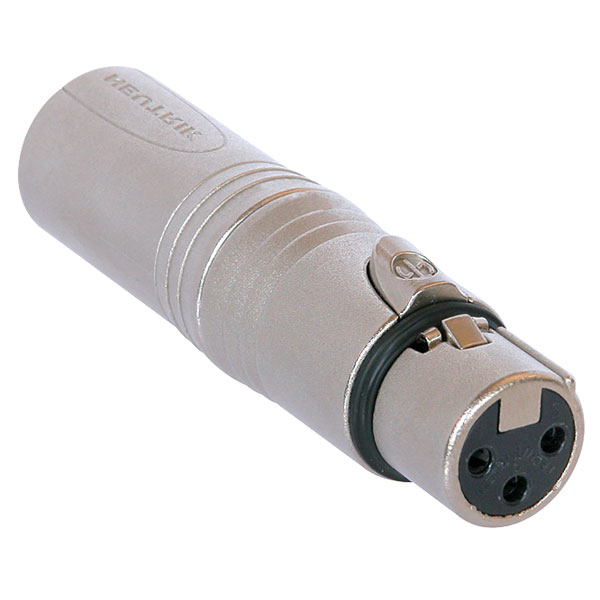
Whether it's a headphone socket on a lab bench, a microphone input on a stage box or a composite feed into a monitor, AV connectors get plugged, yanked and kicked more than almost anything else on a panel. Our own brand, TruConnect, covers various jack, phono, XLR and DIN plugs and sockets that see the most use, for sound and picture alike.
Jack plugs and sockets
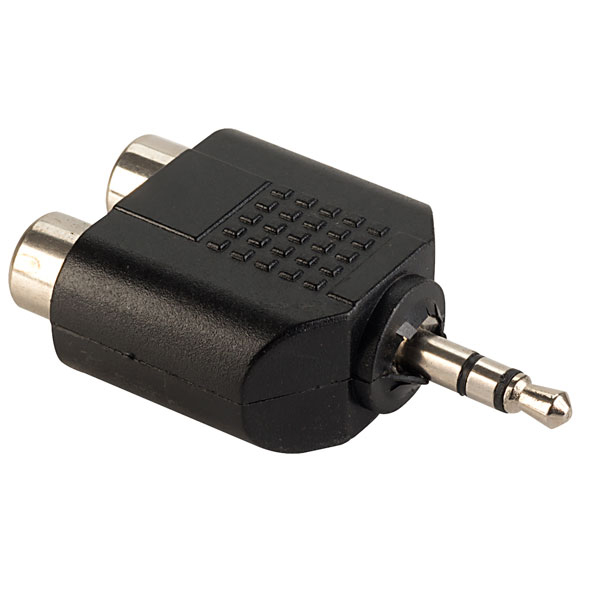
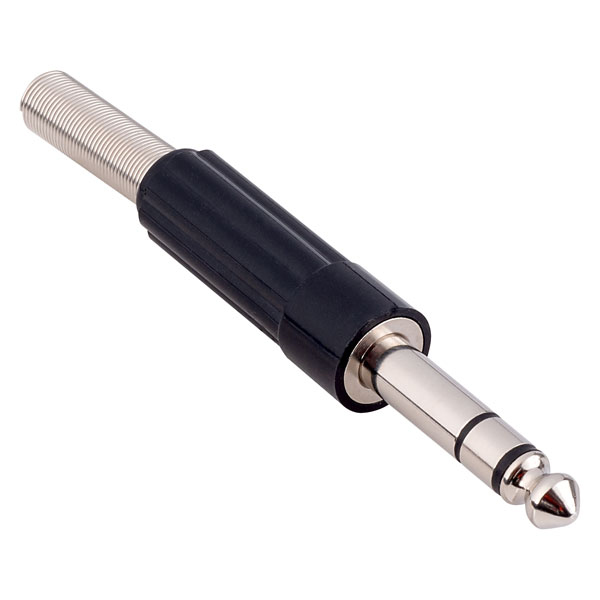
The 3.5mm jack is the standard for headphones, line inputs and small equipment, while 6.35mm (quarter-inch) is the workhorse of instruments, amplifiers and studio gear. Choose a jack socket by how it fixes: panel-mount sockets bolt through the case and take the strain of every plug, while PCB sockets are compact and quick to assemble. Metal-bodied sockets with a threaded bush and nut outlast plastic push-fit types on anything that gets heavy use.
XLR for balanced audio
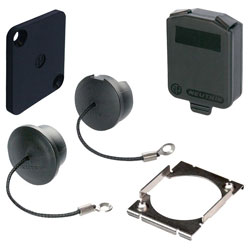
XLR connectors are the standard for microphones and professional audio, thanks to their latch and robust shell. On the 3-pin version, pin 1 is the screen, pin 2 carries the signal and pin 3 the inverted signal. Balanced wiring cancels interference picked up along the cable, which is why XLR is the choice for long runs. Panel sockets share a standard D-size footprint, so different connectors can use the same cut-out.
Video connections: phono, S-Video and beyond
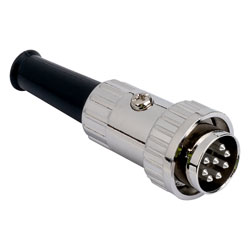
For analogue video, the RCA phono connector does most of the work. A single yellow phono carries composite video, while three phonos (green, blue and red) carry component video, which keeps the brightness and colour signals apart for a much sharper picture. Video is a 75Ω signal, so pair the connectors with 75Ω coaxial cable rather than audio lead if you want a clean image over any distance. S-Video sits between the two, splitting brightness and colour over a 4-pin mini-DIN, and you'll find it among our DIN plugs and sockets alongside the larger DIN connectors used on legacy hi-fi and MIDI equipment.
Broadcast, CCTV and test equipment usually carry video on BNC, which you'll find with our coaxial connectors, and VGA runs on a 15-way high-density D-sub. For digital video, see our HDMI cables, and to split, switch or convert signals between formats, our switchers, converters and extenders.
Need to bridge two standards? Our audio and video adaptors cover the common conversions, with caps and covers in accessories.
TruConnect: a strong range worth knowing
Our own TruConnect range is at its strongest in jack and phono plugs and sockets, made to fit wherever the branded equivalent would. That makes it a sound choice for teaching labs, maintenance and production alike. Prefer a ready-made lead? See audio and video cable assemblies, or make your own with our audio and visual cable.
Audio and video connector questions
What's the difference between TS, TRS and TRRS?
It's the number of contacts on the plug. TS (tip, sleeve) carries mono or an unbalanced instrument signal. TRS adds a ring for stereo or a balanced mono signal. TRRS adds a second ring, usually for a headset microphone, and on some cameras and media players it carries composite video too.
What's the difference between composite, S-Video and component?
They're three grades of analogue video. Composite squeezes everything into one signal on one connector, which is simple but softer. S-Video separates brightness and colour for a cleaner picture. Component splits the signal three ways and is the sharpest of the three, capable of high definition.
Can I use an audio phono lead for video?
Over a short distance it'll usually work, but audio leads aren't built for a 75Ω video signal, so longer runs show ghosting and smearing. A proper 75Ω video lead or cable is the better choice.
Why do some jack sockets have extra terminals?
Those are switched contacts. They open or change over when a plug goes in, which lets you mute a built-in speaker when headphones are connected or route a signal elsewhere.
Are gold-plated connectors worth it?
Gold resists corrosion and keeps a reliable contact over many mating cycles, which matters in damp places and on connectors that get plugged often. It won't improve the sound or picture of a clean, dry connection.


 {{SessionBasket.ItemCount }}