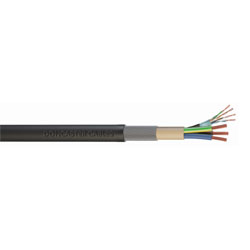
Wiring a build, a panel or a repair? Get the right cable or wire ready to run — hook-up and equipment wire, single- and multi-core, plus the wider range from mains and coaxial to SWA.
When performance and dependability matter, our own brand UniStrand delivers — hook-up and equipment wire built to perform, with select lines meeting Defence Standard specs and priced to keep your project on budget. In UK stock for next-day delivery, with technical back-up when you need it. Explore many more own brands today at Rapid.
Cables & wire — buying guide & FAQs
From internal panel wiring to fixed mains runs, the right cable or wire depends on the conductor size, the construction and the rating. We stock the full range and can help you match it — see our guide on how to choose the right cable or wire to start.
UniStrand hook-up & equipment wire
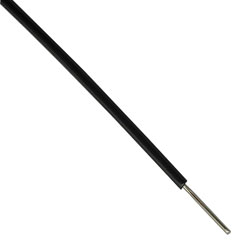
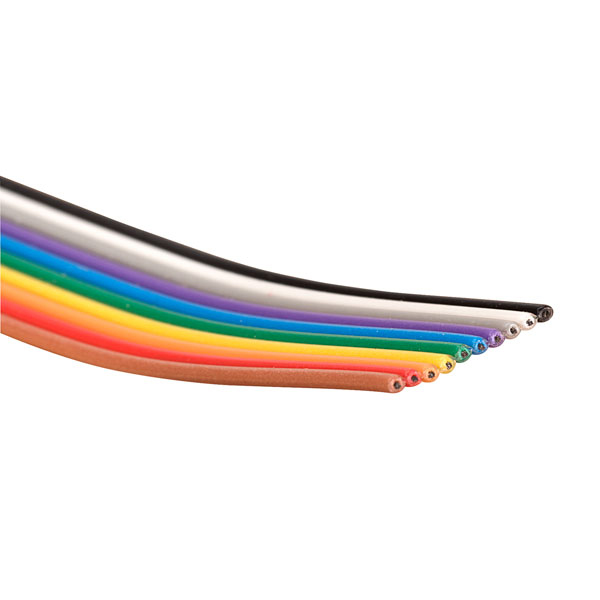
Our own UniStrand hook-up wire is a strong own-brand range for internal wiring in panels, equipment and electronics — single-core and stranded, in a full spread of conductor sizes and colours, including tinned copper for easy soldering and corrosion resistance. It is the range engineers reach for when connecting components, terminals and boards, and it is held in UK stock. For more, see our guide to hook-up wire in industry.
How do I choose cable or wire?
- Conductor size — the cross-section in mm² (or AWG), set by the current it must carry.
- Stranded or solid — stranded for flexibility, solid for fixed runs and easy termination.
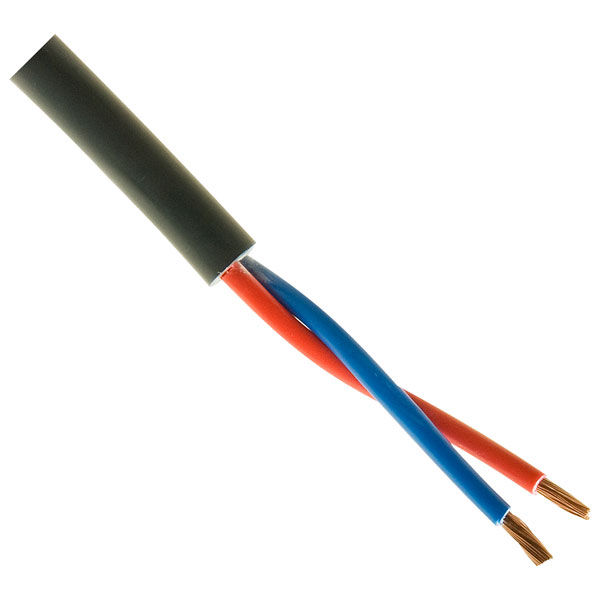
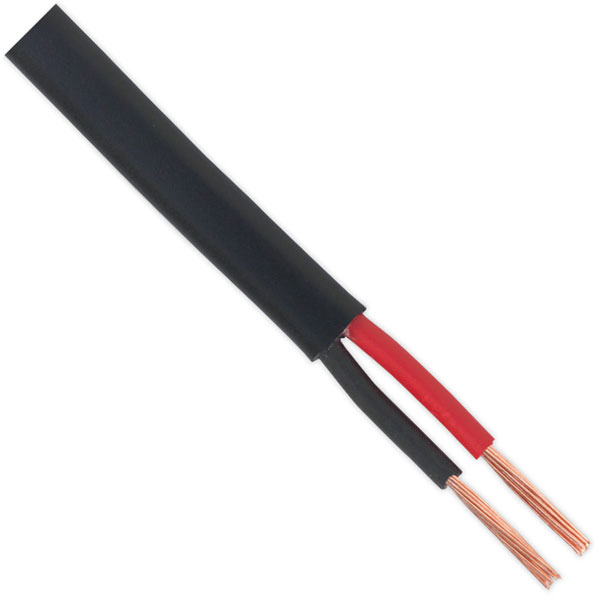
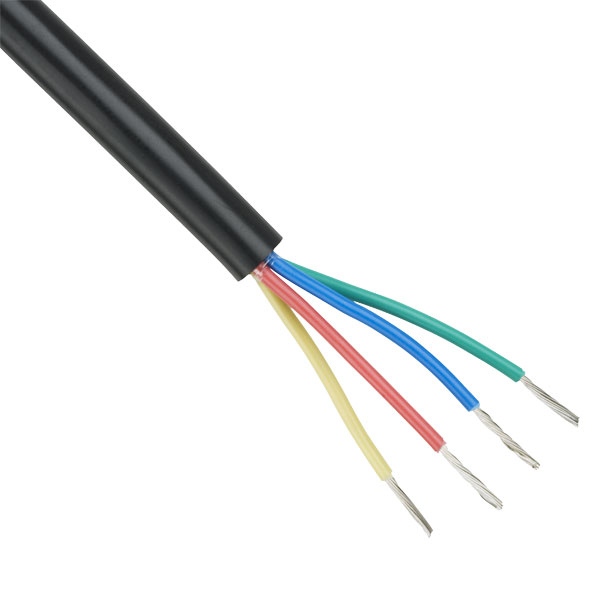
- Single-core or multicore — single conductors for point-to-point, multicore to keep a run tidy.
- Insulation and rating — voltage rating, temperature and environment (indoor, outdoor or harsh).
Not sure on sizing? Our AWG to mm² conversion chart matches the two systems, and our technical team will help you specify. We supply bespoke quantities and cut lengths when a project needs them.
The wider cable range
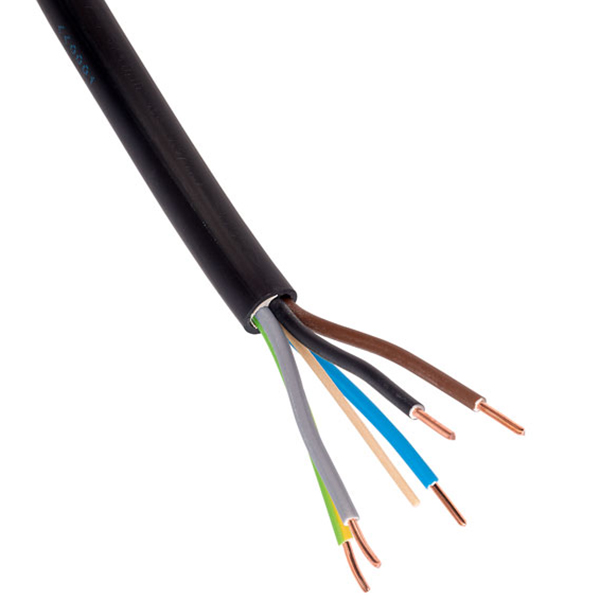
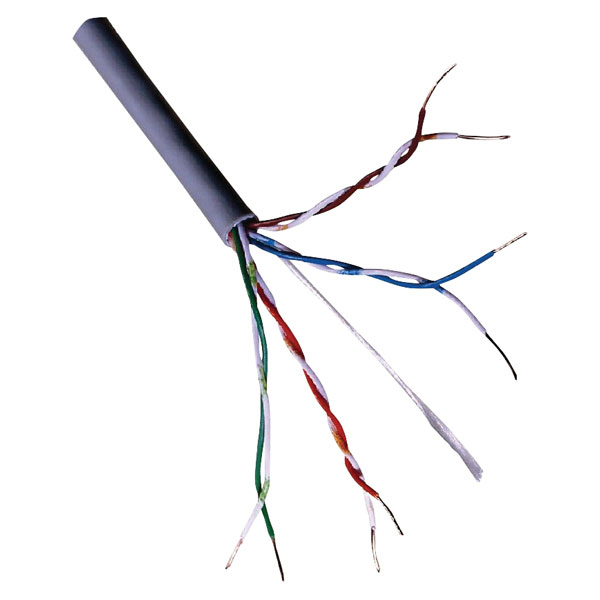
Beyond hook-up wire, we stock mains & equipment cable for power and appliances, networking & coaxial cable for data and signal, and SWA (steel wire armoured) cable for buried and protected runs. It all sits within our wider cable, wire & cable assemblies range.
Cables & wire — frequently asked questions
What is hook-up wire?
Hook-up wire is insulated single-conductor wire used for internal wiring in panels, equipment and electronics. It comes in a range of conductor sizes and colours, in stranded or solid core, for connecting components and terminals.
What is the difference between stranded and solid core wire?
Stranded wire uses many thin strands, so it is flexible and stands up to repeated movement. Solid core is a single conductor, cheaper and easy to push into terminals, but less flexible. Choose stranded where a wire flexes, solid for fixed runs.
What is the difference between single-core and multicore cable?
Single-core cable has one insulated conductor; multicore has several conductors in one outer sheath. Single-core suits point-to-point wiring, while multicore keeps related conductors together in a single, tidy run.
What does AWG mean, and how does it convert to mm²?
AWG (American Wire Gauge) sizes wire by a number that gets smaller as the wire gets thicker. UK cable is usually rated in mm² (cross-sectional area). For example, roughly 6 AWG is about 16mm². Use a conversion chart to match the two.
What is tinned copper wire?
Tinned copper wire has a thin tin coating over the copper, which resists corrosion and makes soldering easier. It is a good choice for humid or marine environments and for reliable, long-lasting connections.


 {{SessionBasket.ItemCount }}