Hook-up wire: stranding and insulation
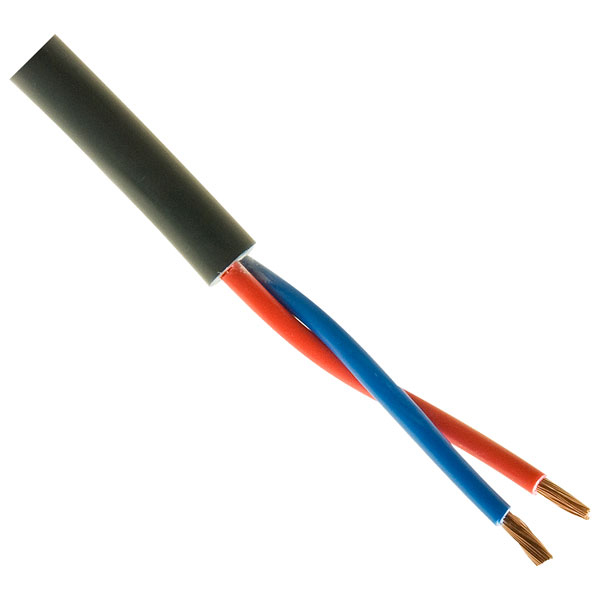
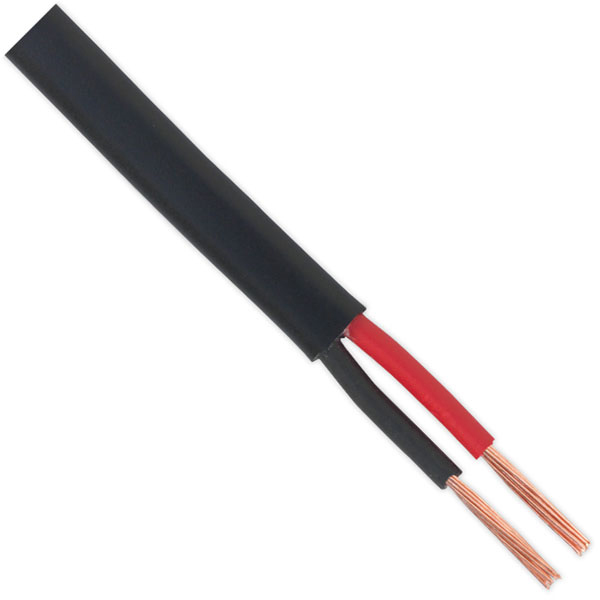
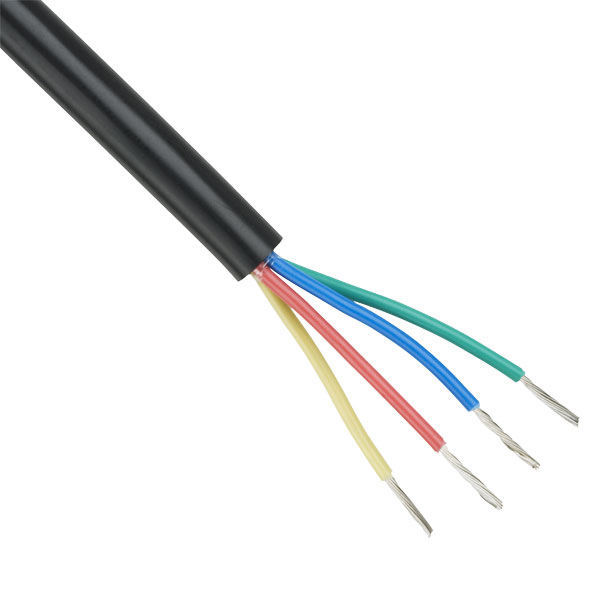
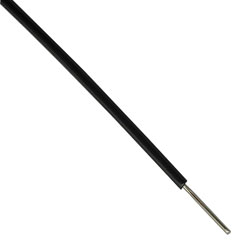
Hook-up wire is the single-core wire that connects everything inside a panel, an instrument or a product. The first choice is stranded or solid. Stranded copes with flexing and vibration, so it belongs anywhere that moves or gets handled. Solid core is cheaper, holds its shape and drops neatly into breadboards and IDC terminals, but it will eventually crack if it's bent back and forth.
Then look at the insulation. PVC is the everyday choice. Silicone stays flexible and copes with much higher temperatures, which helps near heaters, lamps and motors. PTFE is thin, tough and resists heat and chemicals. Tinned copper conductors solder more easily and resist corrosion, which is worth having in damp or coastal environments.
Sizing for current and distance
A wire's current capacity isn't a fixed number. It depends on the insulation's temperature rating, how many wires are bundled together and how warm the surroundings are. On long low-voltage runs, voltage drop usually becomes the limit before heat does, so a 12V or 24V feed may need a heavier wire than the current alone suggests. If you're working from an American drawing, our AWG to mm² conversion chart saves the arithmetic.
UniStrand: our own wire, worth knowing about
UniStrand is our own cable and wire brand, with hook-up and equipment wire in a full spread of sizes and colours, stranded and solid, and select lines made to Defence Standard specifications. It's a dependable, economical way to wire a build, and like all our own brands it's tested before it reaches you. For more on where it's used, read hook-up wire in industry.
When you need more than hook-up wire
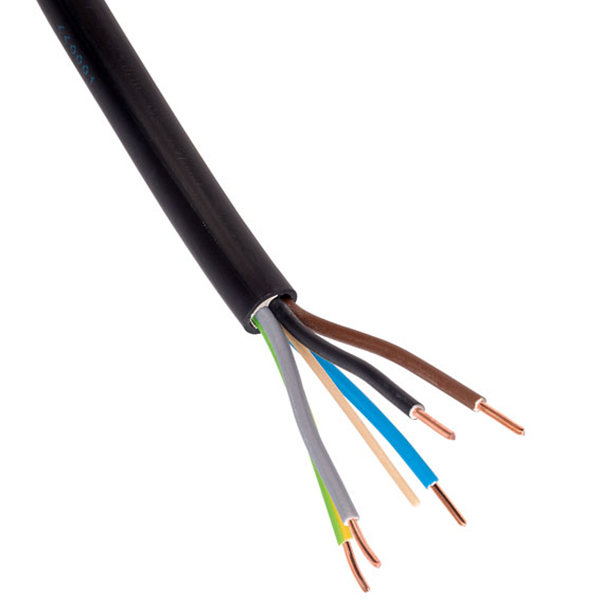
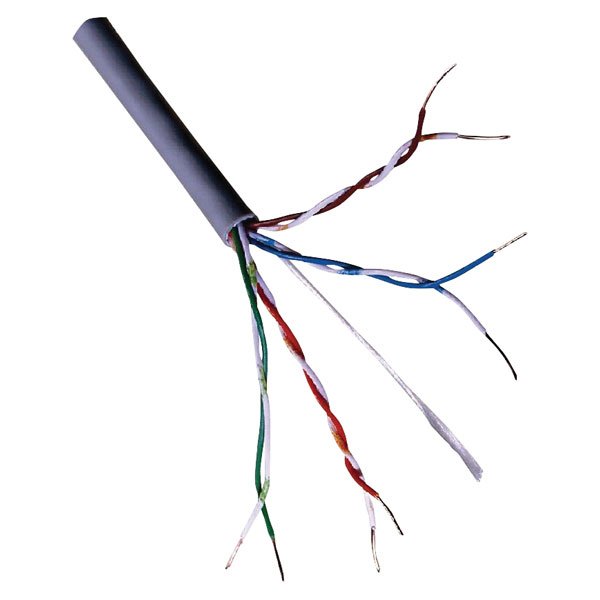
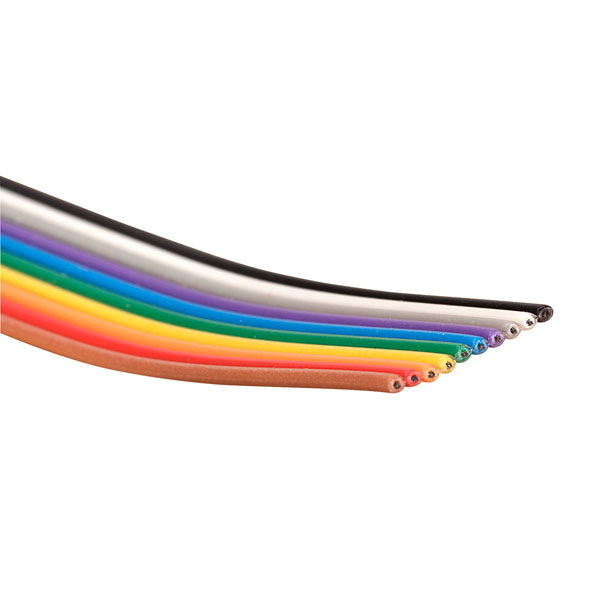
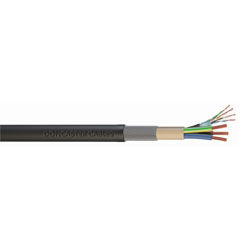
For power and appliance leads, look at mains and equipment cable. Vehicles and plant need thin-wall automotive cable that stands up to oil, fuel and heat. Signal and data runs call for networking and coaxial cable, ribbon connections use ribbon and flat cable, and buried or exposed mains runs need steel wire armoured (SWA) cable. Not sure which fits? Our guide on how to choose the right cable or wire is a good place to start, and our cable accessories will finish the job.
Cable and wire questions
What does 7/0.2 mean on equipment wire?
It describes the stranding: seven strands, each 0.2mm in diameter, which works out at about 0.22mm². 16/0.2 is roughly 0.5mm² and 32/0.2 roughly 1mm². It's a handy way to compare flexibility as well as size, because more, finer strands make a more flexible wire.
Is hook-up wire suitable for mains voltage?
Only if its voltage rating says so. Many equipment wires are rated for mains and above, but some thin-wall types aren't. Check the rated voltage on the product page, and remember that mains wiring inside equipment also has to meet the relevant safety standard.
Why use tinned copper wire?
The tin coating stops the copper oxidising, so the wire solders cleanly even after time on the shelf and resists corrosion in humid or salty air.
What colours should I use for internal wiring?
For UK mains, brown is live, blue is neutral and green and yellow is earth. Low-voltage DC usually runs red for positive and black for negative. Beyond that, the best scheme is one that's consistent with your drawings.
Can I use hook-up wire in a vehicle?
It's better to use automotive cable. It's designed for the temperatures, vibration and fluids under a bonnet, and it's sized in the way vehicle wiring diagrams expect.


 {{SessionBasket.ItemCount }}