Transformers
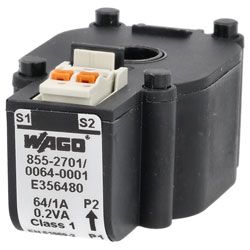
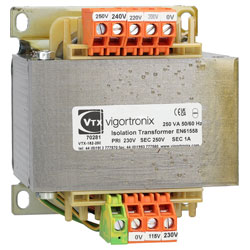
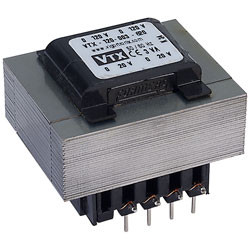
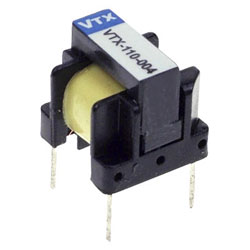
A transformer does one of two jobs, or both: it changes an AC voltage up or down, and it isolates one circuit from another. Knowing which you actually need is most of the decision. The range covers toroidal and chassis transformers for equipment, PCB types for boards, isolation and auto transformers, current transformers for measurement, and variable transformers for adjustable output.
Top Brands In Transformers
Choosing a transformer
How do I size and choose a transformer?
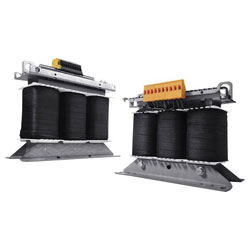
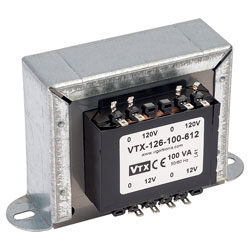
Start with the voltages — the input (primary) and the output (secondary) you need — and the ratio between them. Then the power: size the VA rating above the load's demand, with headroom for inrush and warmth. Check the frequency (50 or 60 Hz mains, or higher for specialist types) and whether you need a single output or multiple, tapped or centre-tapped secondaries. Finally the mounting and construction — PCB, chassis or panel — and, where low profile or low noise matters, a toroidal core in place of a traditional laminated one.
Do I need an isolation transformer or a step-down?
They answer different questions. A step-up or step-down transformer changes the voltage to what a circuit needs. An isolation transformer keeps the voltage the same but breaks the direct electrical connection between input and output — used for safety, to remove earth references during test and repair, or to suppress noise. An auto transformer shares a single winding to shift voltage compactly and cheaply, but gives no isolation, so it suits voltage matching where isolation is not required. Decide isolation first, then voltage, and the type follows.
What are the specialist transformer types for?
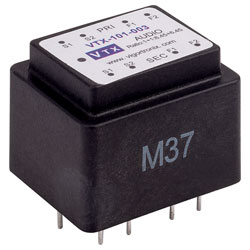
Beyond general power, several types are built for a specific job. Lighting transformers drive low-voltage lamp and LED systems; site transformers provide the 110 V centre-tapped supply required on UK construction sites; audio transformers match impedance and isolate signal in audio equipment; and pulse transformers pass fast switching pulses for gate drive and data. Matching the type to the application saves oversizing a general transformer to do a specialist job.
What pairs with a transformer in a power design?
A transformer is usually the front end of a power chain, so it pairs with the rectification and regulation that follow — many designs feed a transformer into a power supply or converter — and with the fuses and circuit breakers that protect the primary. For equipment, PSU and transformer cases house it with the ventilation and clearance it needs. Parts are traceable and specified, so a supply built from them is straightforward to document and approve.


 {{SessionBasket.ItemCount }}