Power Supplies
The power supply is the part a design tends to think about last and depends on most — get its rating, format or regulation wrong and nothing downstream behaves. This range covers the working spread for building and powering equipment: AC-DC and DC-DC converters, open-frame and DIN-rail units for panels and enclosures, desktop and plug-in supplies for equipment, and LED drivers for lighting. For adjustable supplies on a test bench, the bench power supply range is the place to look instead.
Top Brands In Power Supplies
Choosing a power supply
Which format of power supply do I need?
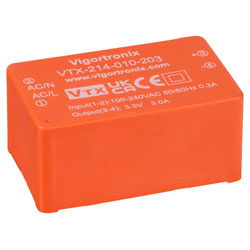
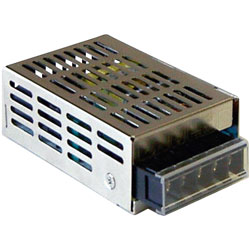
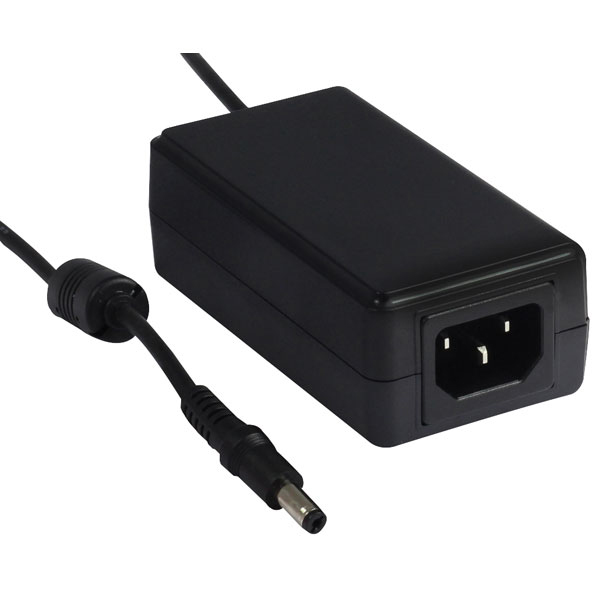
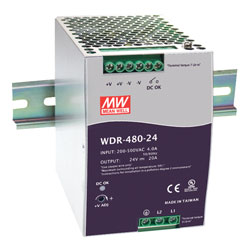
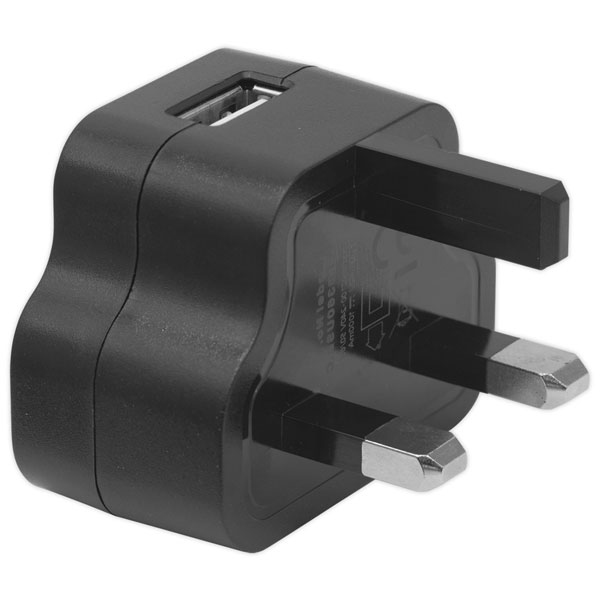
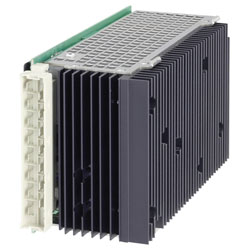
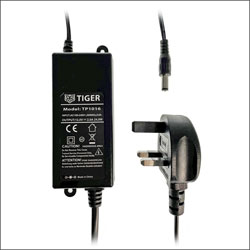
Match it to how it mounts and is used. Open-frame and enclosed units build into products and equipment; DIN-rail supplies fit control panels; desktop and plug-in (wall) supplies power external equipment without an internal PSU; and chassis- or rack-mount units suit larger installed systems. The application usually points straight to the format.
What's the difference between AC-DC and DC-DC?
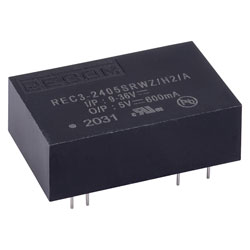
An AC-DC supply converts mains to a regulated DC rail — what most equipment needs from a wall socket. A DC-DC converter steps an existing DC voltage up or down, which is how a single battery or supply rail feeds circuits that need different voltages. Many designs use both: an AC-DC front end, then DC-DC converters for the individual rails.
How much power headroom should I allow?
Size the supply above the load's peak demand, not its average — a margin of roughly 20 to 30 per cent is a sensible starting point. That covers inrush and start-up surges, keeps the supply running cooler and longer, and leaves room for a design to grow. Check the current on each rail, not just the total wattage, since a supply can meet the total yet fall short on one output.


 {{SessionBasket.ItemCount }}