We use cookies on our website to ensure you get the best possible experience – they allow us to tailor content specifically to you, analyse our website to help make improvements, and display ads that are applicable to you across other websites. If you’re happy with this, please select “Allow all", or personalise the cookies you allow with “Manage”. Clicking on “Reject non-essential” will remove these cookies, but the site may not function to its best abilities. For more information, please visit our cookie policy
The top 5 programming languages for robotics in schools
Published on 25 January 26
Robotics in primary and secondary education gives pupils hands-on experience with problem-solving, computational thinking and creativity. Choosing the right programming language ensures that robotics is accessible, engaging and aligns with curriculum objectives. Here are the top five programming languages for school robotics in 2026, and how they can be used effectively in the classroom.
1. Python
Why it works in schools: Python is widely used in education because of its simple syntax, readability, and versatility. Pupils can write programs without getting bogged down in complex commands, and they can see the results of their code quickly.
Classroom applications:
Controlling robots and devices in STEM activities
Programming sensors, movement, and responses
Introducing data analysis or AI concepts for older pupils
Python is especially effective for Key Stage 2 and secondary students, providing a smooth transition to more advanced coding while supporting problem-solving and logical thinking.
Why is Python the "industry-standard" for school robotics in 2026?
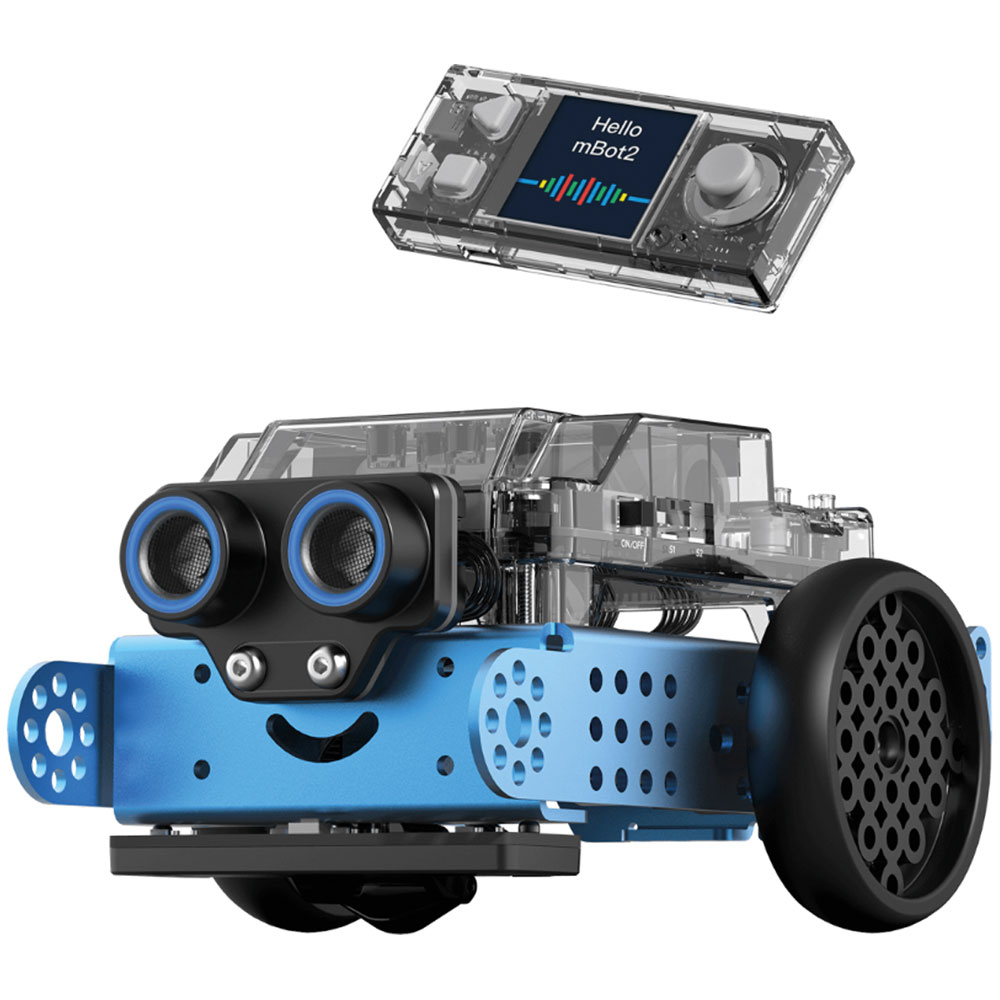
Python has become the universal language for robotics because it bridges the gap between simple commands and Physical AI. In a classroom setting, Python’s "English-like" syntax allows students to program complex behaviours, such as facial recognition or autonomous navigation, with just a few lines of code. It is the primary language used for the Raspberry Pi and mBot2, making it the perfect follow-up for students who have outgrown block-based coding.
2. Scratch / Block-based languages
Why it works in schools: Block-based programming removes syntax barriers, allowing pupils to focus on logic, sequencing, and debugging. It is ideal for primary classrooms or beginners with no prior coding experience.
Classroom applications:
Programming robots to move, turn, or interact with objects
Building simple games or challenges that reinforce STEM concepts
Encouraging teamwork through collaborative coding tasks
Block-based coding encourages experimentation and iteration, helping pupils learn from mistakes without frustration.
How does Block-based coding build a "Computational Thinking" foundation?
Block-based languages like Scratch or Makeblock's mBlock are essential for primary education because they eliminate syntax errors (like missing semicolons). Instead, students focus on the "logic flow": Loops, If-Then Statements, and Variables. By snapping blocks together, pupils learn how to structure a robot's decision-making process before they have to worry about the complexities of typing code.
3. JavaScript
Why it works in schools: JavaScript is increasingly used for web-based or networked robotics projects, giving pupils exposure to real-world programming scenarios.
Classroom applications:
Controlling robots or devices via web interfaces or tablets
Connecting multiple devices for interactive classroom projects
Introducing event-driven programming concepts
JavaScript allows pupils to progress from visual coding to text-based coding while engaging with interactive, connected learning projects.
How does JavaScript enable Web-Based Robotics and "Remote Control"?
JavaScript is no longer just for websites; in 2026, it is the backbone of Internet of Things (IoT) robotics. Using JavaScript, students can build web-based dashboards on tablets or laptops to control their robots over Wi-Fi. This introduces them to "Event-Driven Programming," where the robot responds to clicks, swipes, or voice commands sent from a remote device.
4. C++
Why it works in schools: C++ is useful for more advanced robotics projects where pupils are ready to explore programming that interacts closely with hardware.
Classroom applications:
Writing programs for sensor-rich robots or microcontrollers
Supporting real-time robotics challenges, such as line-following or obstacle avoidance
C++ is typically introduced in upper Key Stage 2 or secondary school, once pupils have gained confidence with simpler coding languages.
When should students transition to C++ and Arduino?
C++ is the language of "Real-Time Control." While Python is great for high-level thinking, C++ is used for microcontrollers like the Arduino Uno because it interacts directly with the hardware. It is the best choice for secondary school students entering robotics competitions, as it teaches them about memory management and the ultra-fast execution speeds required for line-following robots or high-speed balancing bots.
5. MATLAB / Simulink
Why it works in schools: MATLAB provides a visual and mathematical approach to robotics programming, making it ideal for simulation and teaching control systems.
Classroom applications:
Simulating robot movement before building physical prototypes
Exploring mathematical concepts such as speed, angles and trajectory
Integrating coding with maths, physics and engineering lessons
MATLAB is often used in secondary STEM clubs or advanced projects, bridging classroom learning with real-world engineering principles.
What is the role of MATLAB and Simulink in "Model-Based" Engineering?
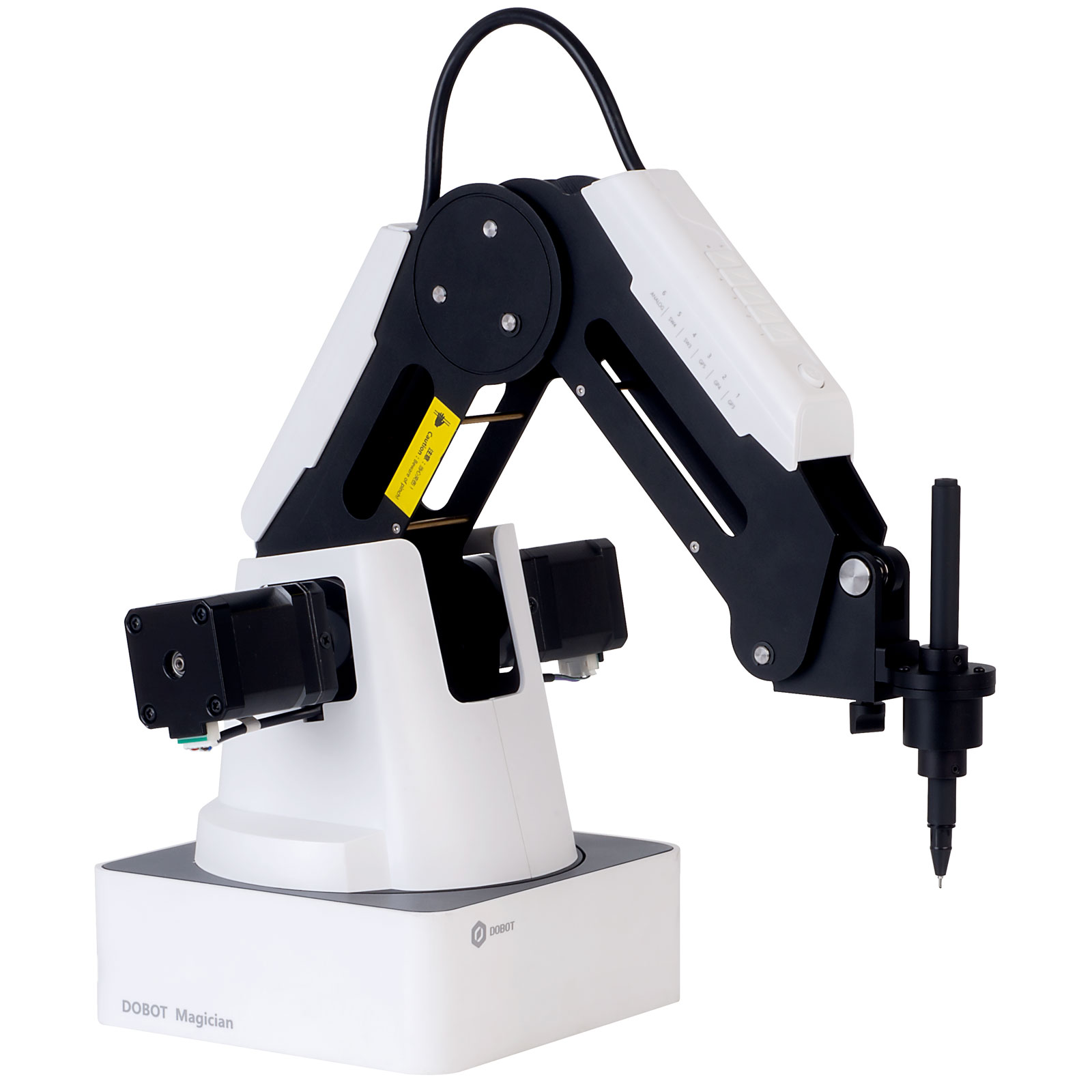
For advanced STEM clubs and A-Level students, MATLAB and Simulink offer a professional-grade environment for "Model-Based Design." Instead of writing code line-by-line, students create visual flowcharts of the robot's physics. This allows them to simulate how a robotic arm, like the Dobot Magician, will move in a virtual 3D space to test for collisions before deploying the code to the physical hardware.
Choosing the right language for your classroom
When introducing robotics programming, teachers should consider:
Age and experience of pupils – start with block-based or Python for younger learners
Curriculum alignment – coding activities should support computing, maths, and science objectives
Progression pathways – allow pupils to move from visual programming to text-based coding over time
Engagement and accessibility – choose languages that encourage experimentation and creative problem-solving
A well-planned sequence lets pupils build confidence, experiment safely, and develop real problem-solving skills.
How we can help
Understanding which programming languages to teach is only part of building a successful robotics programme. Pupils learn best when they can apply their code to real, physical systems that bring abstract concepts to life.
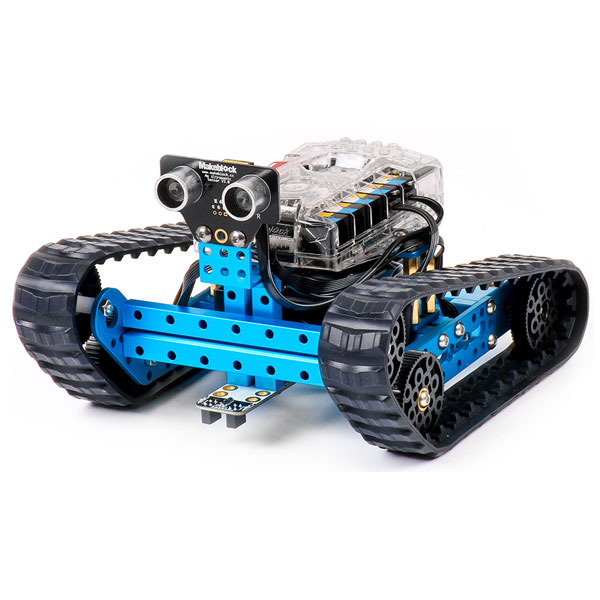
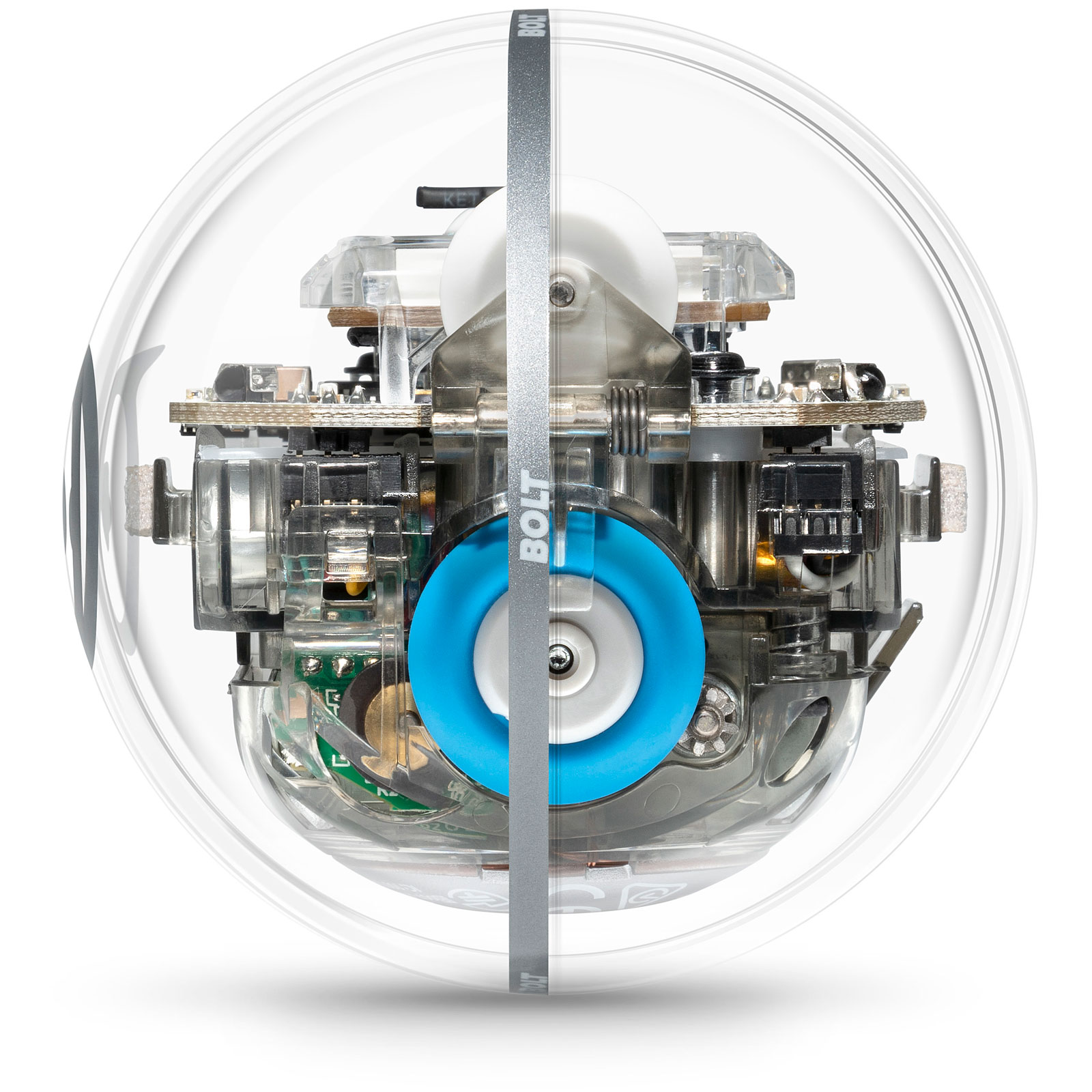
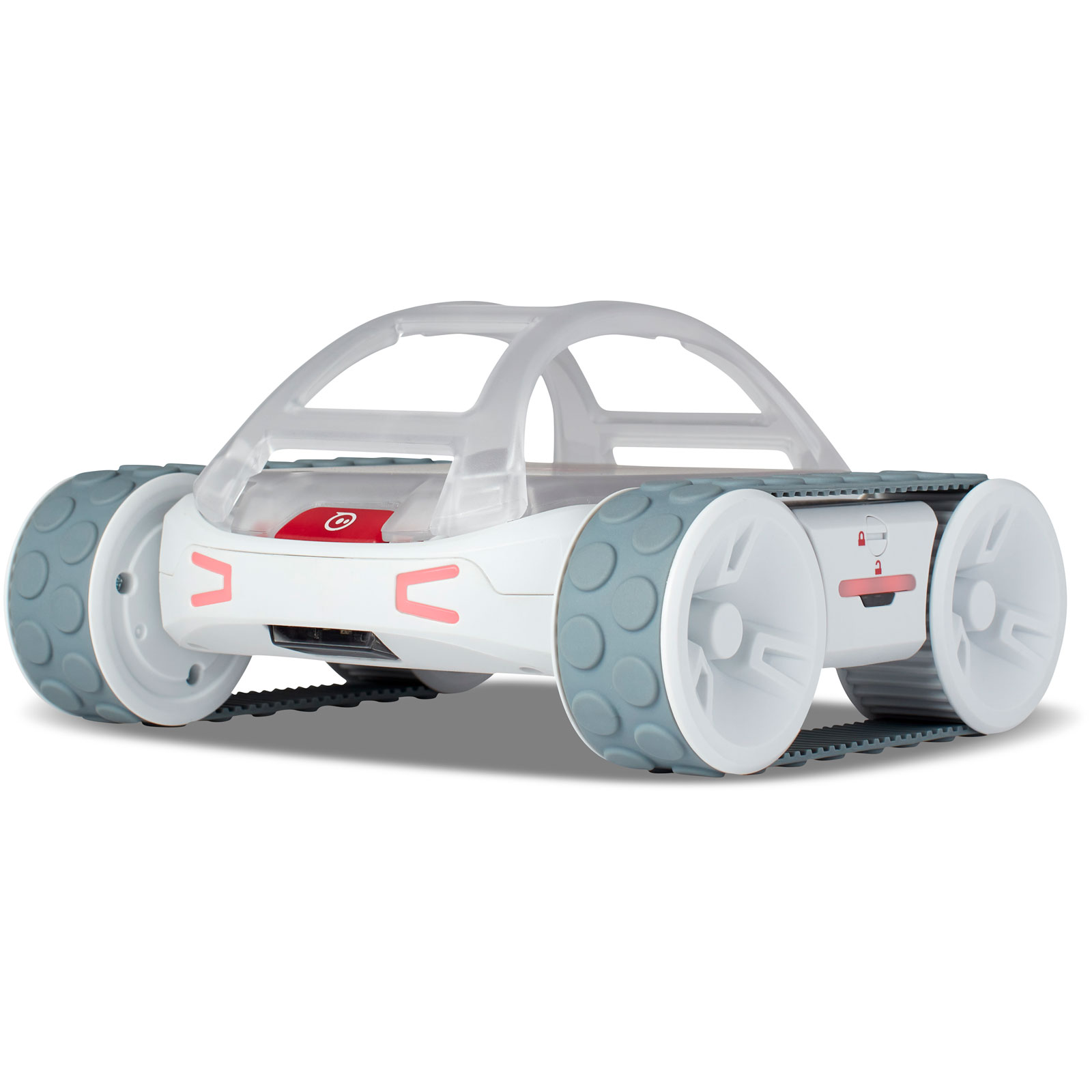
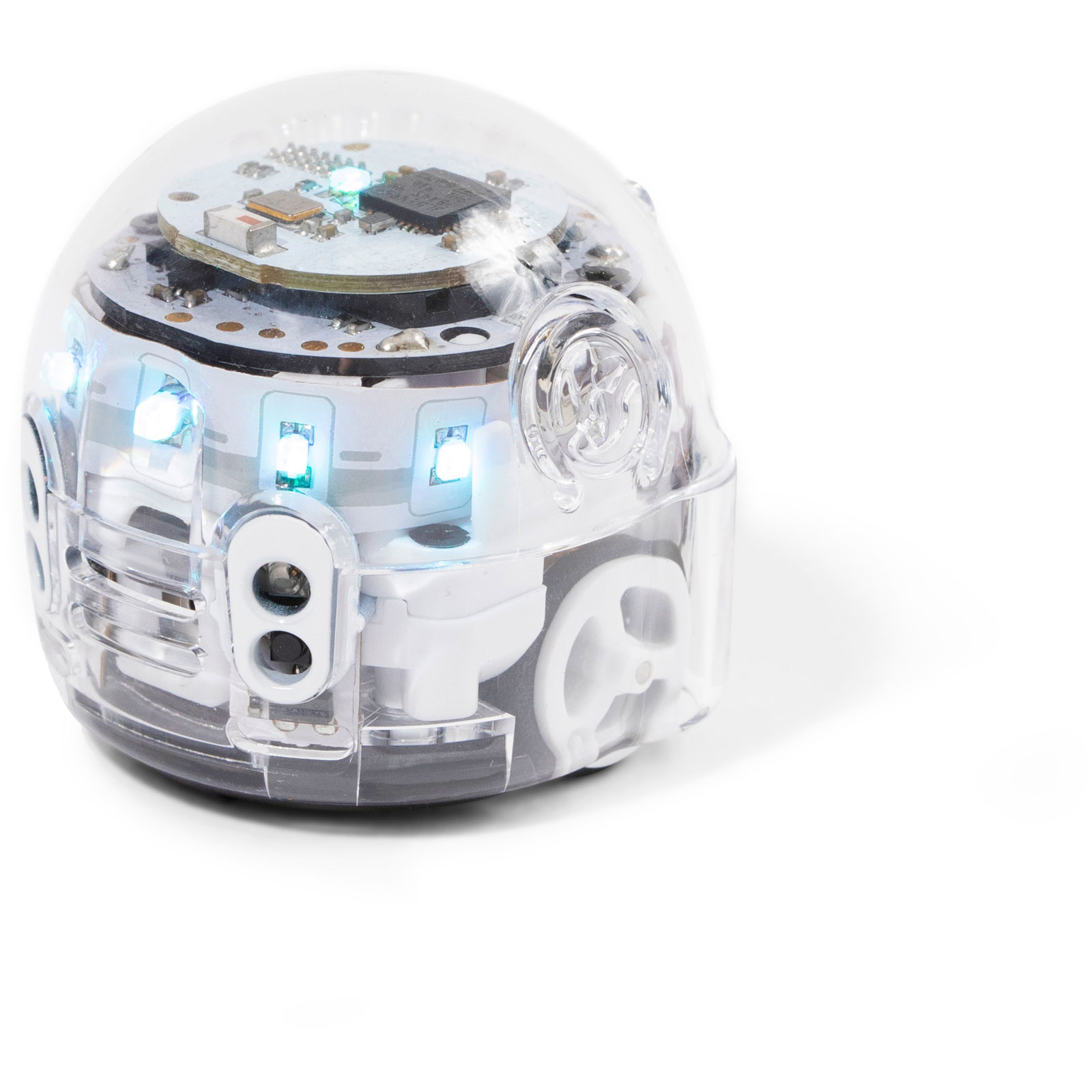
That’s where our education-focused robotics range comes in. We supply a wide selection of classroom-ready robots, robotic kits, robotic arms, and expansion components designed to work seamlessly with the programming languages covered above - from block-based coding/Scratch through to Python, C++ and beyond.
Our robotics solutions help schools to:
Link coding to real-world outcomes by controlling movement, sensors, and actuators
Support progression from simple, pre-built robots to configurable kits and programmable robotic arms
Align practical activities to curriculum objectives across computing, maths, design & technology, and science
Engage pupils at different ability levels, from first-time coders to advanced STEM learners and clubs
Whether you’re introducing robotics for the first time or expanding an existing STEM programme, our range enables pupils to experiment, problem-solve and see their code in action - reinforcing both confidence and curiosity in engineering and technology.


 {{SessionBasket.ItemCount }}