Optoelectronics & Displays
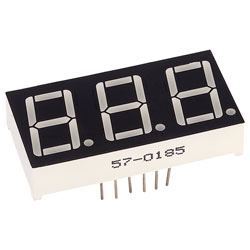
The humble LED has quietly become one of the most versatile parts in electronics — the same basic device now covers everything from a panel indicator to addressable lighting strips, high-power illumination and infrared sensing, sitting alongside the LCD, OLED and TFT displays that give a product its readout. What ties the range together is a single practical point worth getting right early: an LED is a current-driven device, so how you limit that current — a simple resistor for an indicator, a constant-current driver for a power LED — matters as much as which one you pick. Rapid stocks the full spread for indication, lighting, displays and projects.
Top Brands In Optoelectronics & Displays
Working with LEDs and displays
Which type of LED is right for the job?
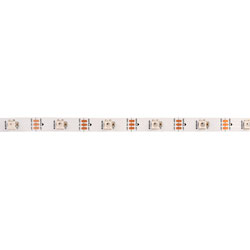
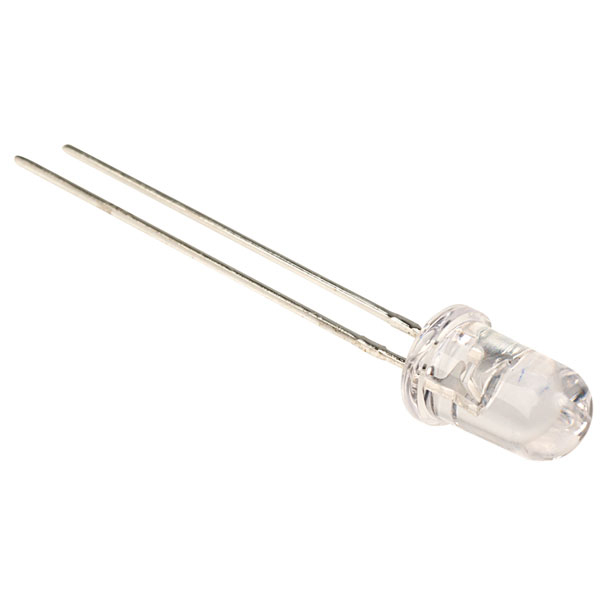
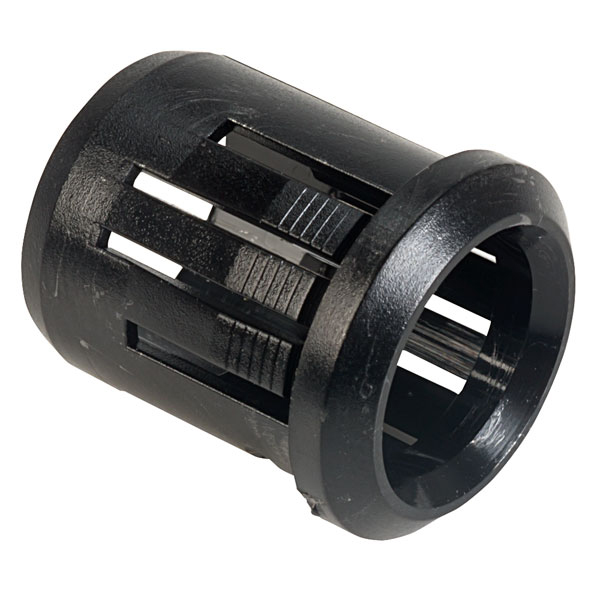
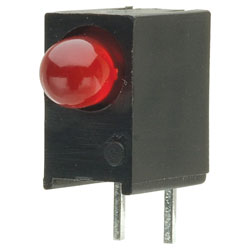
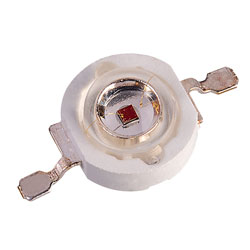
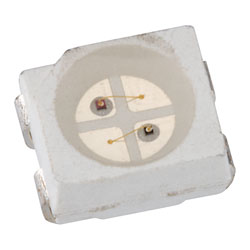
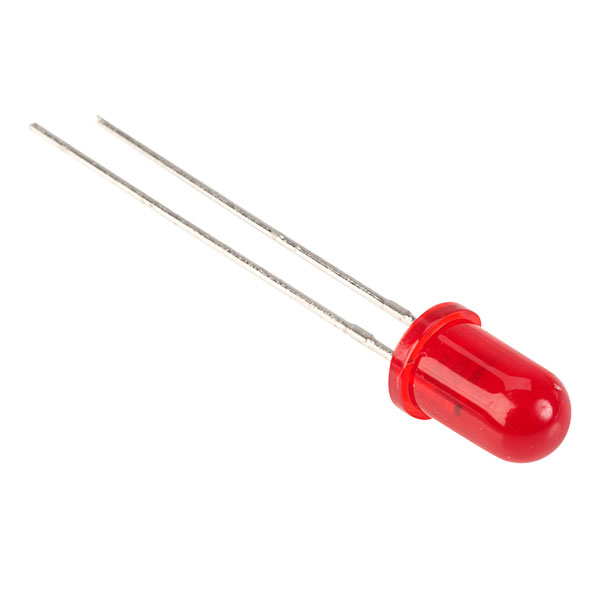
For panel and status indication, through-hole and PCB indicator LEDs are the straightforward choice; for compact or reflow-assembled boards, surface-mount types fit better. For lighting and illumination you want power LEDs, and for effects, signage or projects where each LED is controlled individually, addressable LEDs are the ones to reach for.
Does an LED need a resistor?
Almost always something to limit the current, yes — but not always a resistor. A standard indicator LED needs a series resistor sized to the supply and the LED's forward voltage and current. Power LEDs draw far more and need a proper constant-current driver instead, which protects the LED and keeps brightness stable. Addressable LEDs have their control built in but still need a correctly rated supply. Skipping current limiting is the quickest way to shorten an LED's life.
LCD, OLED or TFT — which display should I choose?
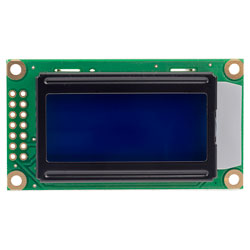
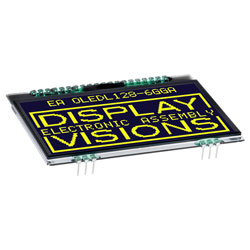
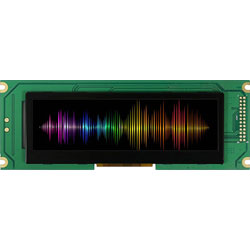
LCDs are low-cost and readable for simple text and numbers. OLEDs give high contrast in a compact size, ideal for small graphical readouts. TFT displays offer full colour and detail for richer interfaces. Choose by what the interface needs to show and the space and budget you have for it.


 {{SessionBasket.ItemCount }}