

In October, the S&P Global UK Manufacturing PMI rose to 52.8, its highest reading since May, with output at a 25-month high. Staffing, though, didn't grow to match, so the same maintenance teams are keeping busier plant running. One unplanned breakdown can stop a line while you wait for parts, just when customers are counting on deliveries.
Most breakdowns give some warning first: a terminal running warm, insulation slowly degrading, a bearing getting noisier. Planned preventative maintenance is how you catch those warnings in time.
What is planned preventative maintenance?
Planned preventative maintenance (PPM) is scheduled inspection, testing and servicing of equipment, carried out before it fails. Rather than waiting for a breakdown, you decide in advance what gets checked, how often and by whom, then work through that plan.
PPM stands for planned preventative maintenance, sometimes written as planned preventive maintenance. In facilities management, it often covers buildings and services. On an industrial site, it's about keeping production plant, motors, drives, panels and instrumentation running, and finding the faults that stop a line before they do.
How does planned preventative maintenance work?
PPM tasks are triggered by the calendar, by how much a machine is used, or by its measured condition. Most sites use a mix, with reactive repairs kept for low-risk kit where a failure doesn't matter much.
Time-based PPM
Triggered by: a fixed interval, such as weekly, monthly or annually.
Best for: statutory and safety checks, lubrication, filter changes.
Usage-based PPM
Triggered by: running hours, cycles or output.
Best for: motors, pumps, compressors, conveyors.
Condition-based maintenance
Triggered by: a measurement crossing a limit, such as temperature, insulation resistance or vibration.
Best for: critical plant where you want early warning without over-servicing.
Reactive maintenance
Triggered by: a breakdown.
Best for: cheap, non-critical items that are quicker to replace than inspect.
Where does predictive maintenance fit? It takes the condition-based approach further, using sensors and logged data to forecast when a fault is likely rather than just spotting it. For most small teams, regular condition checks with handheld instruments are the practical first step.
How to create a PPM plan in seven steps
A good PPM plan doesn't need specialist software to get started. A spreadsheet and a clear list of priorities will do.
-
List your assets
Record every motor, drive, panel, compressor and instrument you're responsible for, with its location and an ID.
-
Rank them by risk
Ask what happens if each one fails: does production stop, is anyone put at risk, and how long would a replacement take? Start with the assets at the top.
-
Choose the tasks
For each asset, decide what to inspect, test or service. Start with the manufacturer's recommendations and any statutory requirements.
-
Set the intervals
Base them on the manufacturer's guidance, how hard the equipment works and the conditions it runs in. Tighten them if checks keep finding problems, and relax them if they never do.
-
Assign and schedule
Give each task an owner and a date, and fit it around production where you can.
-
Record the results
Log readings, not just ticks. A trend, such as a terminal running warmer each visit, is what turns a check into an early warning.
-
Review the plan
Look back at breakdowns every few months. A failure the plan didn't catch is a sign a task or interval needs changing.
Electrical and plant PPM checklist
These checks form the core of PPM on most industrial sites. Set intervals from the manufacturer's guidance and your own risk assessment.
| Check | What it finds | Kit |
|---|---|---|
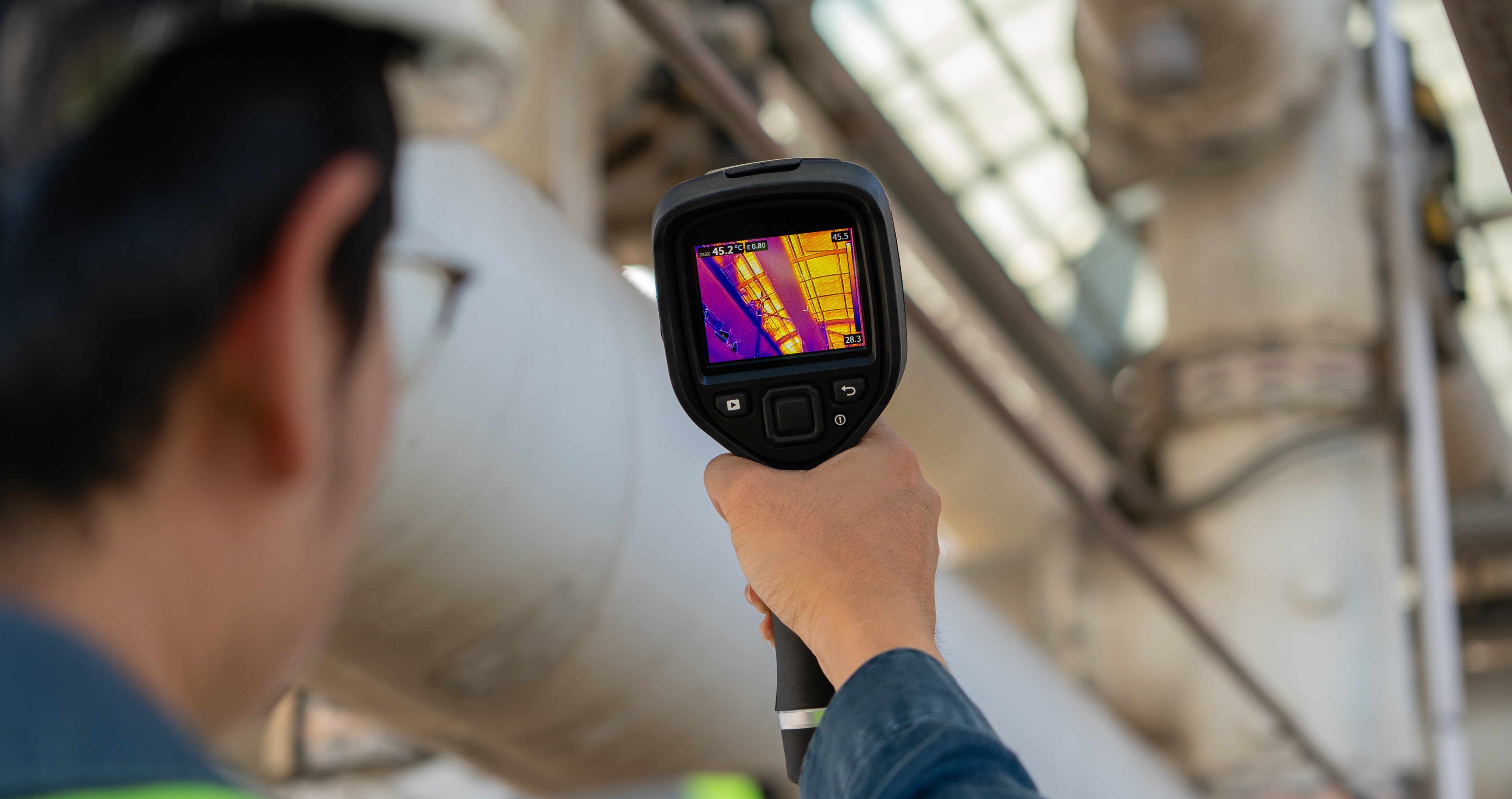
| Thermal survey of panels, drives and motors | Loose or corroded terminations, overloaded circuits, failing bearings | Thermal imaging camera |
| Insulation resistance on motors and cables | Damp, contamination or ageing in windings and cables | Insulation tester |
| Load and phase balance | Overloaded or unbalanced motors, failing contactors | Clamp meter |
| Voltage, continuity and control circuits | Supply problems, broken conductors, faulty interlocks | Multimeter and voltage tester |
| 4–20mA loop checks | Drifting transmitters, wiring faults, scaling errors | Loop calibrator |
| Vibration and noise on rotating plant | Misalignment, imbalance, bearing wear | Vibration meter |
| Portable equipment inspection and testing | Damaged leads and plugs, earth and insulation faults | PAT tester and testing labels |
| Fixed installation checks | RCD, earth loop and protective device faults | Installation tester |
What test equipment do you need for PPM?
You don't need everything on day one. These four instruments cover the checks that find most electrical and instrumentation faults on plant.
Thermal imaging camera
Finds hot connections, overloads and bearing wear without touching live kit.
Thermal imaging camerasInsulation tester
Tracks the health of motor windings and cables over time.
Insulation testersClamp meter
Checks load and phase balance without breaking the circuit.
Clamp metersLoop calibrator
Separates transmitter, wiring and control faults on 4–20mA loops.
Loop calibratorsFor longer-term trends, data loggers record temperature, current or voltage while you're elsewhere, which is useful for intermittent faults. And with more checks comes more wear on the basics, so keep spare test leads and good hand tools to hand.
Planned preventative maintenance FAQs
What does PPM stand for in maintenance?
PPM stands for planned preventative maintenance (or planned preventive maintenance). It means inspecting, testing and servicing equipment on a schedule, so faults are found and fixed before they cause a breakdown.
What's the difference between PPM and reactive maintenance?
PPM is scheduled in advance and aims to stop failures happening. Reactive maintenance happens after something has broken. Most sites use PPM for critical or safety-related equipment, and keep reactive repairs for low-cost items where a failure has little impact.
What's the difference between preventive and predictive maintenance?
Preventive maintenance follows a set schedule or a measured condition. Predictive maintenance uses sensors and logged data to forecast when a fault is likely to develop, so work is planned just before it's needed.
How often should PPM be carried out?
There's no single answer. Base intervals on the manufacturer's recommendations, how hard the equipment works, the environment it runs in and what a failure would cost. Review them regularly: shorten them if checks keep finding faults, and lengthen them if they never do.
Is planned preventative maintenance a legal requirement?
The law doesn't require a PPM programme as such, but it does require maintenance. Under PUWER, employers must keep work equipment "maintained in an efficient state, in efficient order and in good repair", and keep any maintenance log up to date. The Electricity at Work Regulations 1989 require electrical systems to be maintained as necessary to prevent danger. HSE describes a planned maintenance programme as a "useful step towards reducing risk", and PPM is a practical way to show you're meeting those duties.
Does PAT testing have to be done every year?
No. HSE says the law doesn't make it a legal requirement to inspect or test electrical appliances annually. How often you check depends on the type of equipment and where it's used.