We use cookies on our website to ensure you get the best possible experience – they allow us to tailor content specifically to you, analyse our website to help make improvements, and display ads that are applicable to you across other websites. If you’re happy with this, please select “Allow all", or personalise the cookies you allow with “Manage”. Clicking on “Reject non-essential” will remove these cookies, but the site may not function to its best abilities. For more information, please visit our cookie policy
In today’s STEM-driven world, practical learning is just as important as theory. For universities, a well-equipped lab is the cornerstone of engineering and science education. It’s where students move beyond textbooks and experience real-world applications of electrical principles, circuit design, and measurement techniques. But what does a modern lab need to prepare students for industry standards? This guide explores the essential bench equipment for university labs, focusing on Tektronix and Keithley - two brands trusted worldwide for precision and reliability.
What is bench equipment for university labs?
Bench equipment refers to the essential, individualised instruments and specialised work surfaces used directly by students and researchers for hands-on experimentation within a university lab. For electronics and engineering disciplines, this foundation typically includes the Digital Multimeter (DMM), Oscilloscope, DC Power Supply, and Function Generator. The benches themselves are customised for tasks, often featuring durable, specialised finishes like epoxy resin to resist corrosion and reduce vibrations, thereby maintaining test precision. This equipment facilitates the setup of localised experimental apparatus and enables the precise measurement and analysis of time-varying signals and fundamental electrical parameters.
Why bench equipment matters in university labs
The quality of a lab’s equipment directly impacts the quality of education. Students who work with professional-grade instruments gain confidence and competence, bridging the gap between academic theory and industrial practice. Accurate measurement tools allow them to troubleshoot circuits, validate designs, and understand complex electrical behaviours. Without these resources, universities risk producing graduates who lack hands-on experience - a critical skill in today’s competitive job market.
Tektronix essentials for university labs
Tektronix has long been a leader in test and measurement technology, and its products are widely used in both industry and academia. For university labs, three categories stand out: oscilloscopes, probes, and arbitrary function generators.
Oscilloscopes
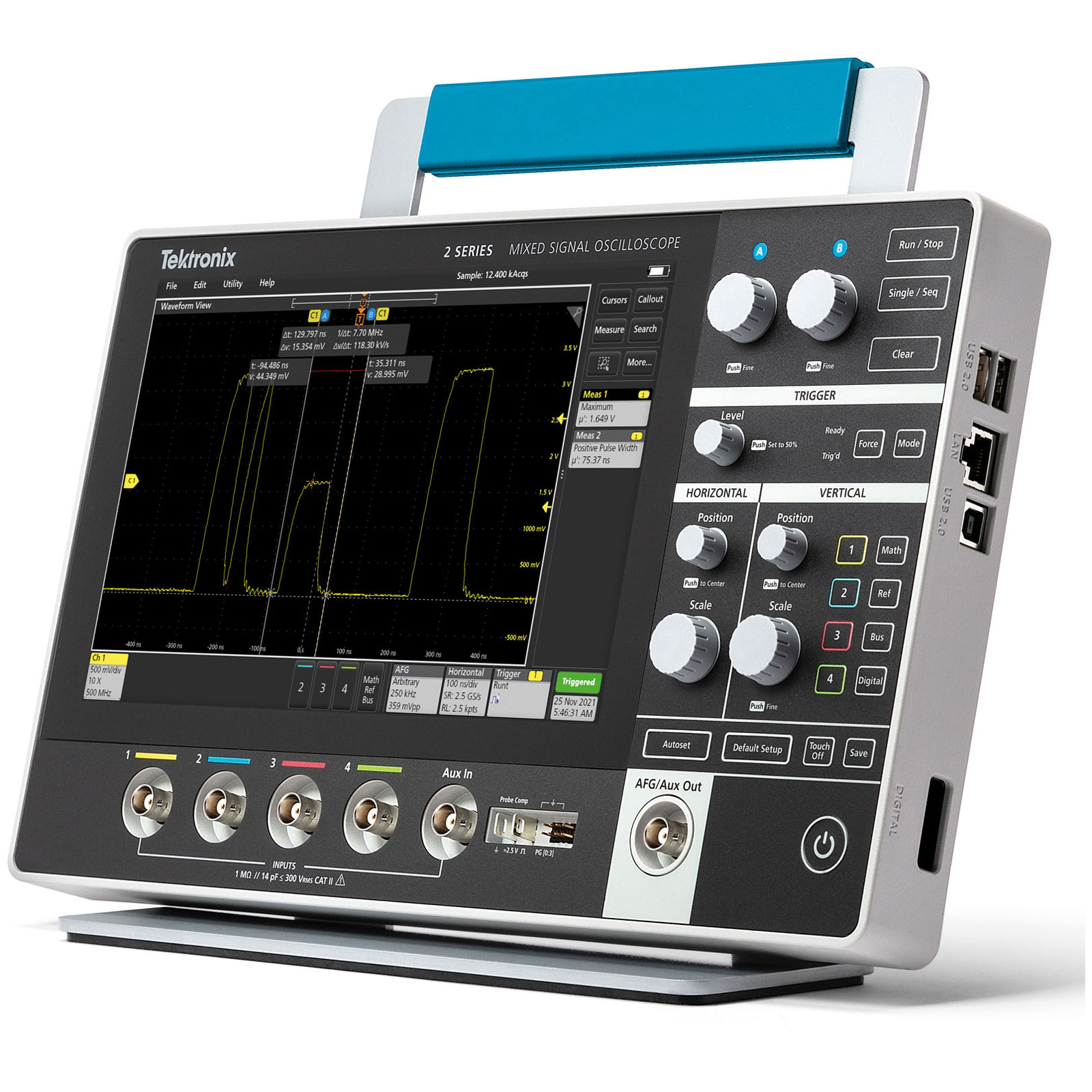
Oscilloscopes are the heart of any electronics lab. They allow students to visualise electrical signals in real time, making abstract concepts tangible. Tektronix oscilloscopes are known for their high bandwidth, fast sampling rates, and intuitive interfaces. These features make them ideal for teaching environments where ease of use is essential.
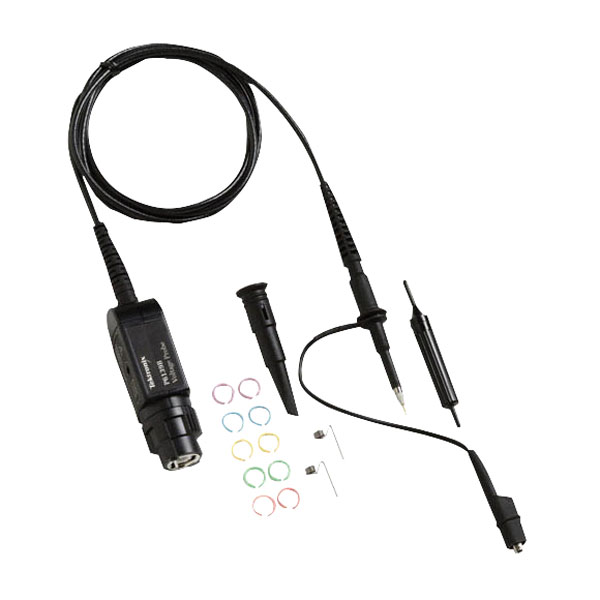
A great oscilloscope is only as good as the probes connected to it. Tektronix offers a range of probes designed for different applications, from passive probes for general measurements to active and differential probes for high-frequency or sensitive circuits. Using the right probe ensures accurate signal acquisition, which is critical for experiments that demand precision.
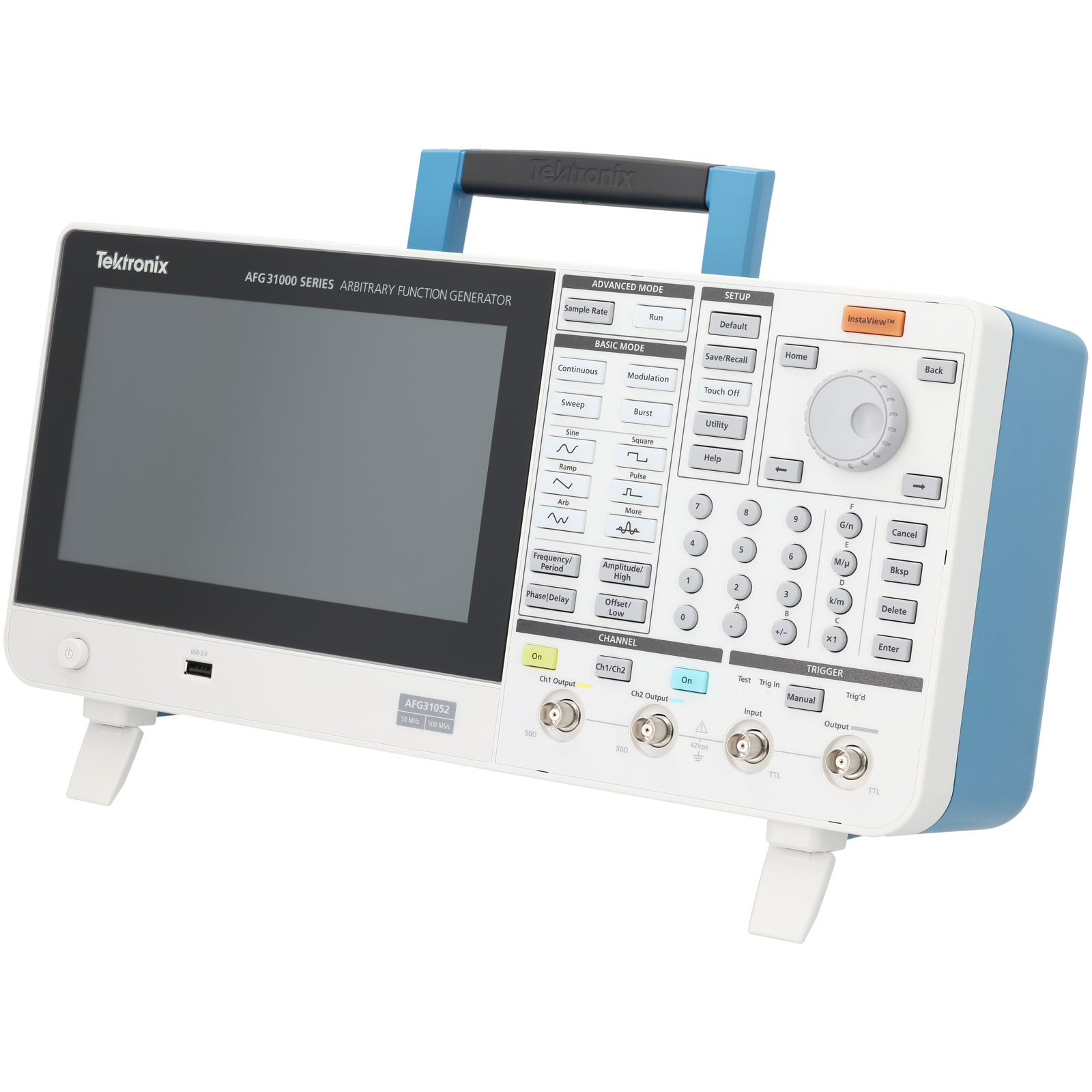
Function generators provide the signals needed to test and validate circuits. Tektronix models offer wide frequency ranges, modulation capabilities, and USB connectivity for seamless integration with lab setups. These instruments allow students to create custom waveforms, giving them the flexibility to simulate real-world conditions in their experiments.
Tektronix, Inc., established in 1946, is a global leader in test and measurement solutions, known for pioneering and manufacturing high-speed devices such as oscilloscopes, signal generators, and spectrum analysers. The company explicitly designs instruments for the academic sector, which include integrated courseware and features to ensure students master foundational operational skills. To support modern learning environments, Tektronix offers remote solutions like eScope, enabling students to access and control physical lab instruments over an IP network from off-campus locations.
Here's what Development Officer, Nik Tsanov from Coventry University had to say about Tektronix:
“We’ve tried a number of brands over the years, but we’ve now settled on Tektronix as a brand of choice”. “We are entirely, in every space, using Tektronix oscilloscopes, along with other equipment that has been supplied from Rapid.”
While Tektronix focuses on signal visualisation and generation, Keithley specialises in precision measurement and power control - two areas vital for advanced research and teaching.
Digital Multimeters
Keithley digital multimeters (DMMs) deliver high-resolution measurements for voltage, current, and resistance. They often include data logging features, which are invaluable for long-term experiments and research projects. Connectivity options make them suitable for automated testing environments, ensuring that students learn modern workflows.
Reliable power sources are the foundation of any electronics lab. Keithley bench power supplies provide stable output for sensitive components and often feature multiple channels for complex setups. Programmable control options allow educators to design experiments that mimic industrial testing conditions.
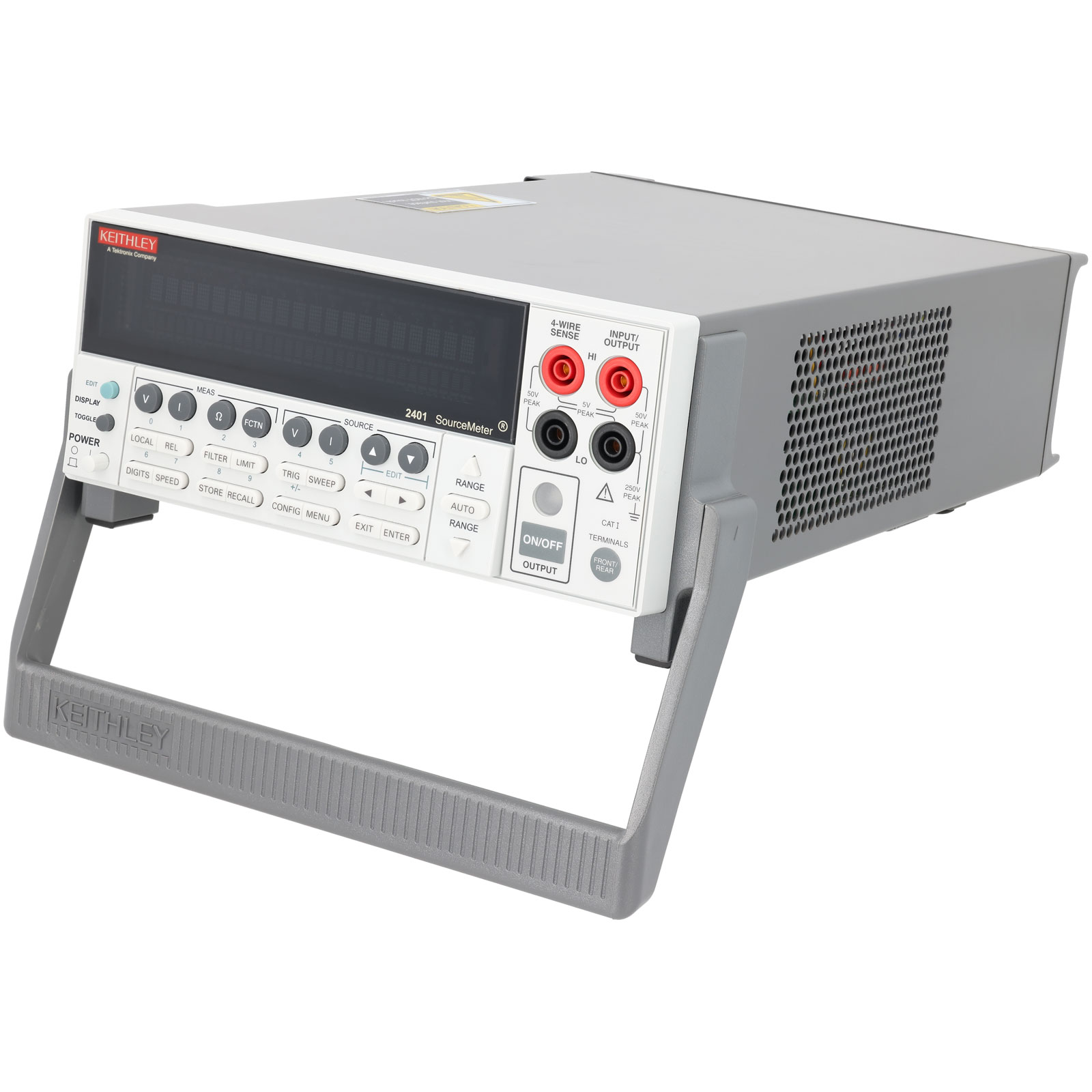
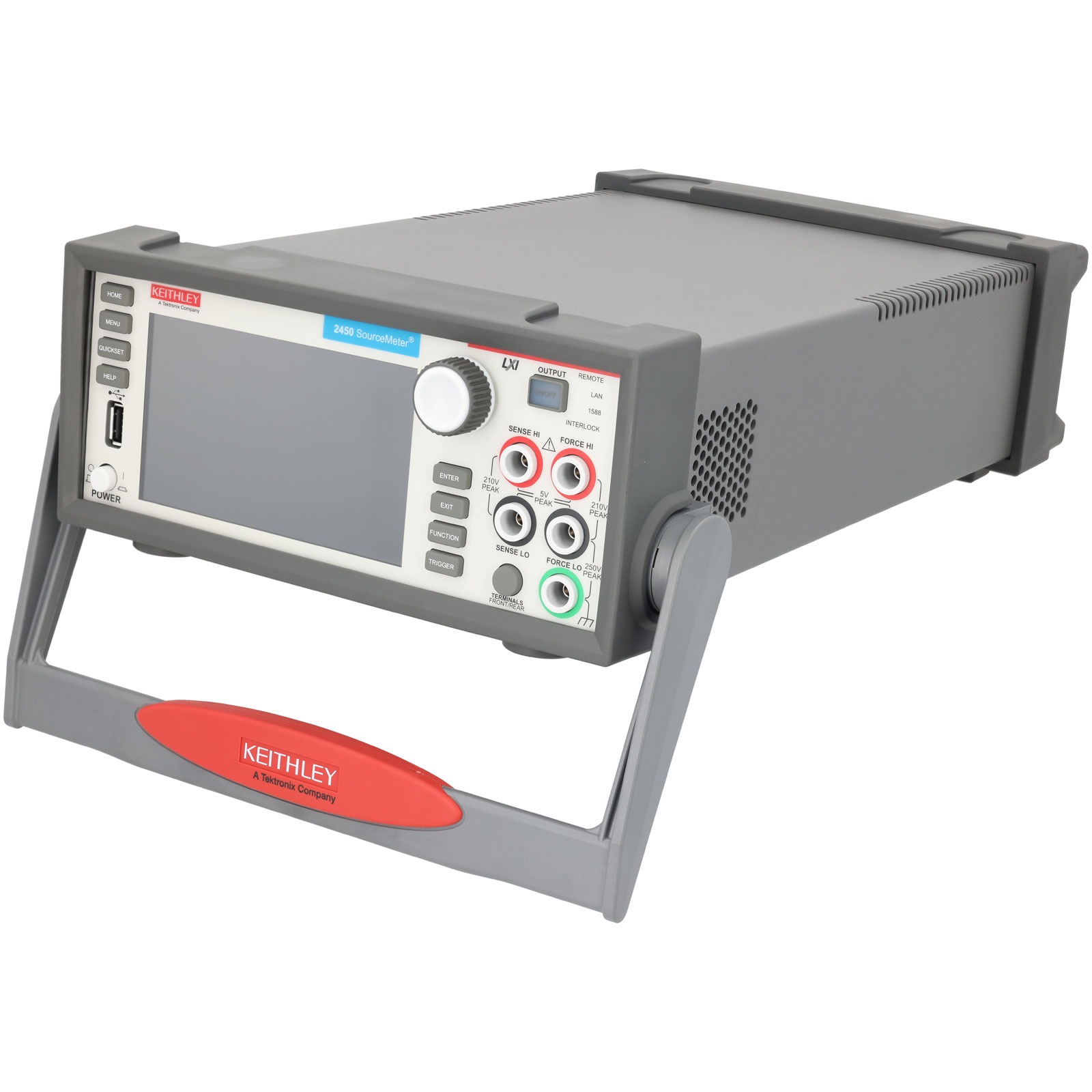
Source Measure Units (SMUs) combine sourcing and measurement in one instrument, making them ideal for semiconductor testing and material characterisation. Keithley SMUs offer ultra-low current measurement capabilities and integrated sweep functions, enabling students to perform advanced experiments with confidence.
Keithley Instruments, a Tektronix company, has specialised in ultra-sensitive measurement since introducing its first electrometer in 1951, focusing on sourcing and measuring direct current (DC) or pulsed electrical signals. The company is renowned for its Source Measure Unit (SMU) instruments, which are versatile, five-in-one tools combining a power supply, DMM, current source, electronic load, and pulse generator. These advanced, four-quadrant SMUs are critical for scientists and engineers in high-resolution academic research, simplifying complex tasks like battery charge/discharge cycling and characterising modern semiconductor devices.
Practical setup tips for university labs
Creating an effective lab environment goes beyond buying equipment. Space planning is crucial - benches should be arranged to encourage collaboration while maintaining safety standards. Proper grounding and insulation are essential to prevent accidents. Cable management might seem minor, but it reduces clutter and minimises hazards, making the lab more efficient and professional.
Budgeting and procurement
Budget constraints are a reality for most universities, but there are smart ways to maximise value. Bundling purchases can unlock educational discounts, and working with a trusted distributor like Rapid ensures competitive pricing, expert guidance, and ongoing support. Planning for the full lifecycle of your equipment is also key - choose solutions that can adapt to future curriculum changes rather than focusing solely on immediate needs.
Contact us today to discuss your lab requirements, explore bundle options, and find the best solutions for your budget.
Future trends in lab equipment
University labs are evolving alongside technology. Smart connectivity is becoming standard, enabling remote monitoring and cloud-based data sharing - features that support hybrid learning models. Automation is another trend, with AI-driven testing gaining traction in advanced research environments. Sustainability is also on the agenda, with manufacturers designing energy-efficient instruments to align with institutional green policies.
What is the difference between lab equipment and bench equipment?
The difference between bench equipment and general lab equipment is defined by its size, function, and physical placement within the laboratory environment.
Bench equipment consists of individualised, often duplicated, instruments like Digital Multimeters and Oscilloscopes that sit directly on the customised workbench for hands-on experimentation and measurement.
In contrast, general lab equipment includes larger, shared apparatus and infrastructural elements, such as fume hoods, autoclaves, and large freezers, which are vital for safety, sterilisation, and high-volume processing.
Choosing the right equipment
Selecting bench instruments for a university lab involves balancing performance, usability, and cost. Accuracy and reliability are non-negotiable, as they underpin the credibility of experimental results. Ease of use is equally important - students should be able to operate instruments without extensive training. Durability matters too, given the heavy usage in academic settings.
When comparing Tektronix and Keithley, think of them as complementary rather than competing. Tektronix excels in signal visualisation and waveform generation, while Keithley dominates in precision measurement and power control. Together, they provide a comprehensive solution for any teaching or research lab.
If you’d like to find out more, book a Lunch & Learn session with one of our experts and discover how to choose the right equipment for your lab.
Tektronix Technical Partner
FAQs
What is the most important bench instrument for a university lab?
+
Oscilloscopes are often considered the most critical because they allow students to visualise electrical signals, making theoretical concepts easier to understand.
How do Tektronix and Keithley differ?
+
Tektronix focuses on oscilloscopes, probes, and waveform generation, while Keithley specialises in precision measurement and power control. Both brands complement each other in a comprehensive lab setup.
Can universities get discounts on equipment?
+
Yes, at Rapid, we offer academic pricing and bundle deals for educational institutions.
What should I consider when planning a lab upgrade?
+
Think about curriculum requirements, student capacity, and future-proofing. Choose equipment that supports advanced experiments and integrates with modern teaching methods.


 {{SessionBasket.ItemCount }}