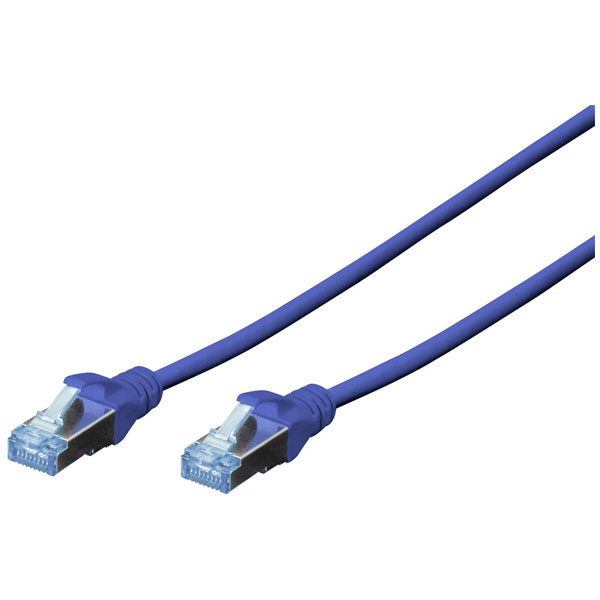
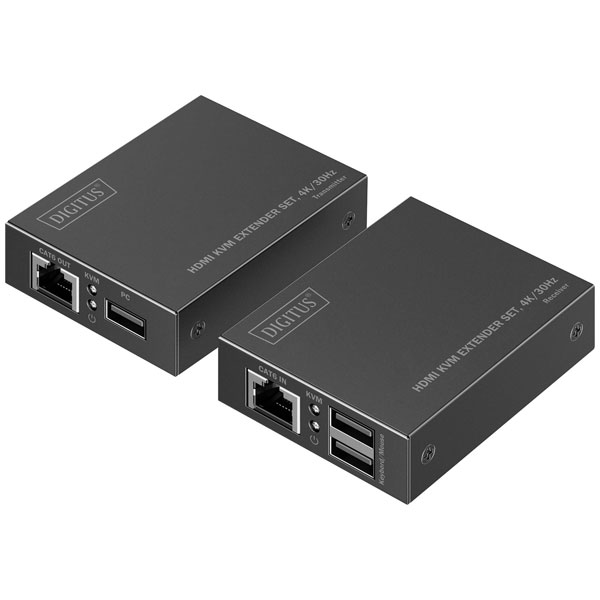
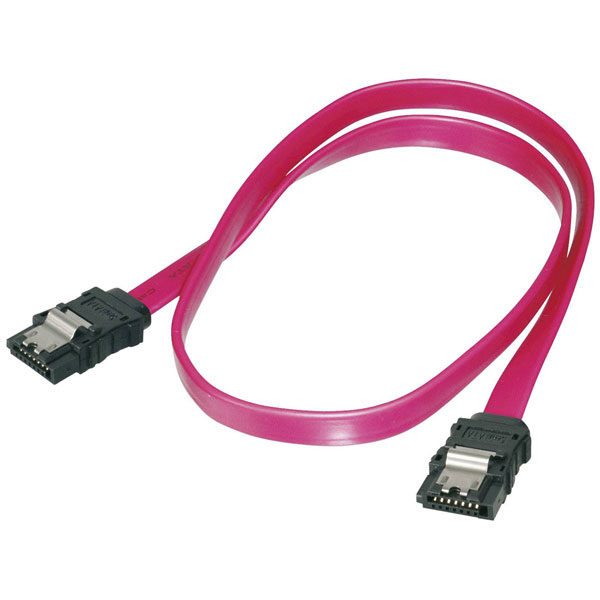
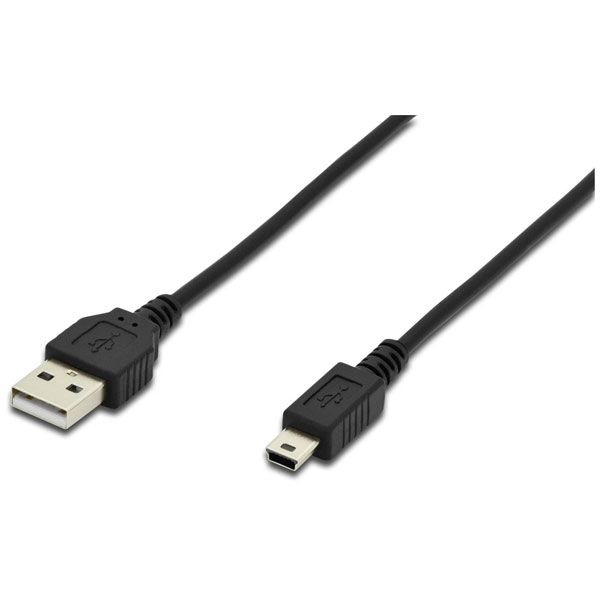
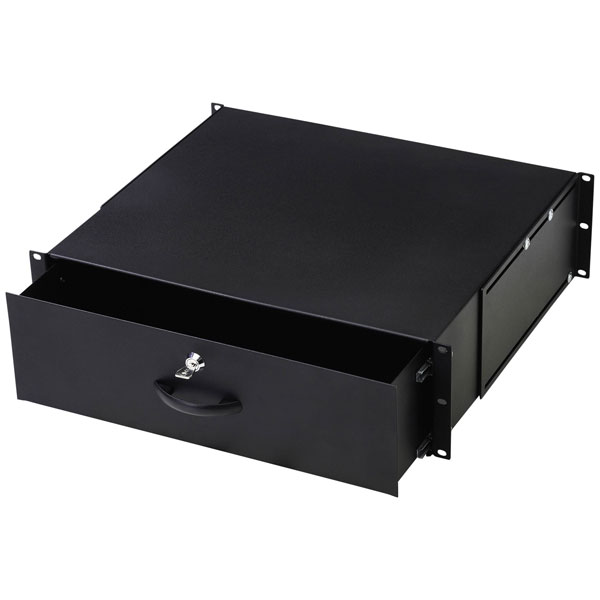
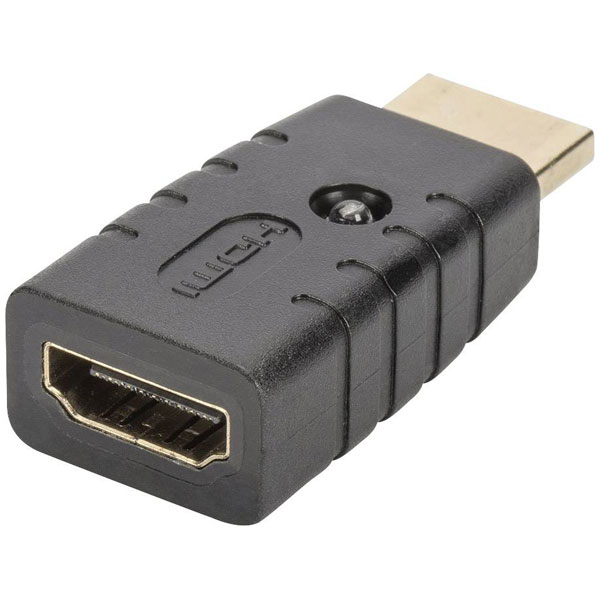
Digitus is at its strongest when you see a network as one joined-up system rather than a pile of parts. It helps to picture it in three layers.
Built to work as one system
The real strength of Digitus is that the racks, panels, cabling and connectors are designed to the same standards and to fit together. A network specced around them is quicker to install, easier to extend, and simpler to hand over or maintain later — with less improvising on site.
That coherence is what makes it a dependable choice for installers and IT teams: infrastructure that goes in cleanly, keeps running once it's live, and works at a sensible price when you're kitting out at scale.
Frequently asked questions
What is Digitus known for?
Digitus is known for network infrastructure — racks and cabinets, patch panels, structured cabling, adapters and KVM — designed to work together as a coherent system rather than as separate parts.
Is Digitus good for structured cabling?
Yes. Structured cabling is central to Digitus: patch panels, network cables, faceplates and modules built to standards, so runs are tidy, repeatable and easy to maintain or extend later.
Does Digitus cover both the comms room and the desk?
Yes. The range spans the whole network — from racks and patch panels in the comms room, through the cabling, to the adapters, converters and KVM that connect devices at each end.
Will Digitus work with my existing network equipment?
Yes, for standard networking. Digitus is built to the usual structured-cabling and networking standards, so it interoperates cleanly with standard switches, servers and cabling.
Is Digitus suitable for larger installations?
Yes. Because the parts are standards-based and designed to fit together, Digitus scales well for larger, structured installs where consistency and easy maintenance matter.


 {{SessionBasket.ItemCount }}