Batteries & Chargers
Behind almost every portable or backup design sits a simple but consequential choice: which battery, and rechargeable or not. Get it right and a product runs longer, costs less to own and behaves predictably; get it wrong and you're changing cells too often or carrying weight and cost you didn't need. This range spans the options that decision runs across — single-use and rechargeable cells, lead-acid for backup and standby, and the chargers, holders and accessories that go with them.
Top Brands In Batteries & Chargers
Choosing batteries
Rechargeable or single-use?
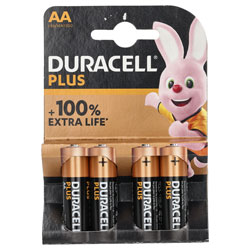
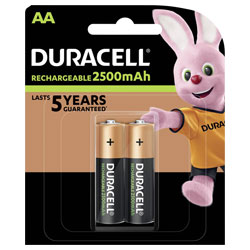
It comes down to how often the battery is used. For devices that drain slowly or sit unused for long spells — remote controls, alarms, backup circuits — single-use cells are cheaper up front and hold charge on the shelf. For anything used and drained regularly, rechargeables cost less over their life and cut waste, at the price of a charger and a little management. Many classrooms and workshops standardise on rechargeables precisely because usage is heavy and predictable.
Which battery type suits the application?
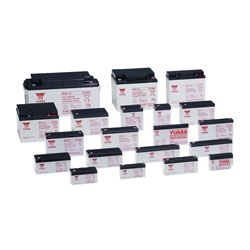
Match the chemistry to the demand. Alkaline single-use cells suit everyday low-drain devices; NiMH rechargeables suit repeated moderate use; lithium types offer high energy density and light weight for demanding or compact designs; and lead-acid remains the workhorse for standby, backup and higher-current applications. Voltage, capacity and physical size then narrow it to a specific cell.
What do I need to connect a battery to a project?
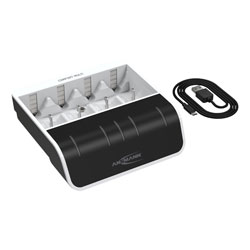
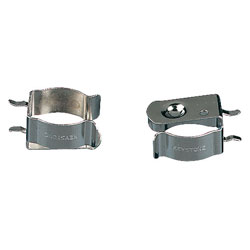
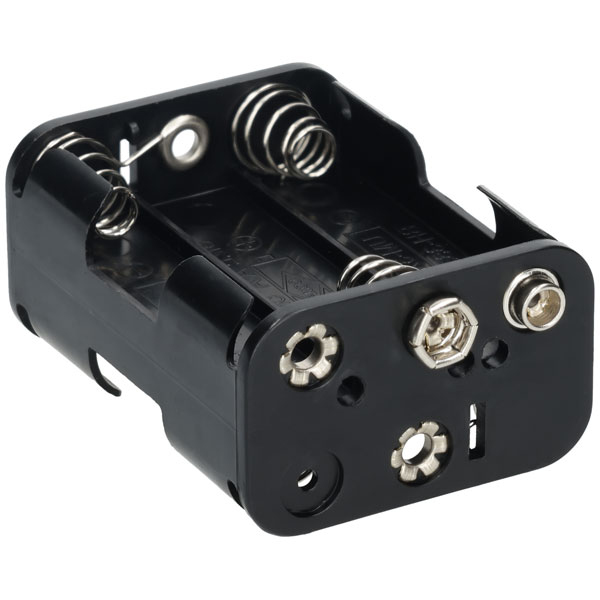
For prototypes and classroom builds, a battery holder or clip matched to the cell size gives a tidy, reusable connection without soldering to the battery itself. For rechargeable set-ups you'll also want a charger suited to the chemistry, since charging a cell on the wrong profile shortens its life or is unsafe.


 {{SessionBasket.ItemCount }}