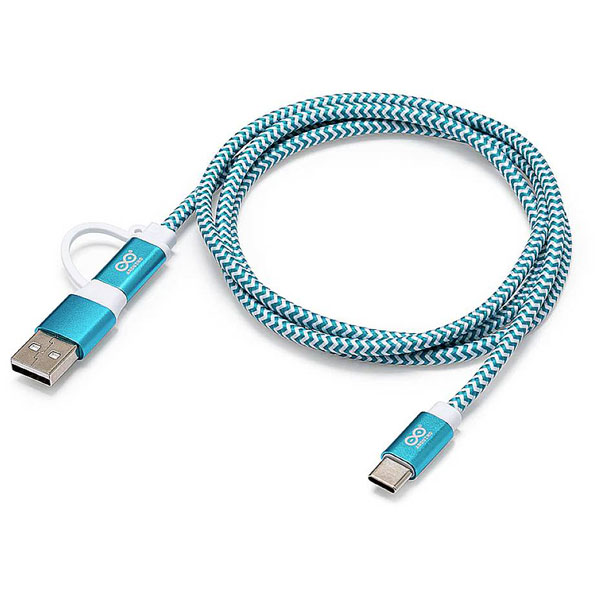
Almost every Arduino project starts the same way: a USB cable, a few lines of code and an LED blinking on the bench. Arduino is an open-source electronics platform, with simple microcontroller boards and free software that let you read sensors, drive motors and build interactive projects without a degree in embedded design. That low barrier is the point, but it doesn't mean the projects have to stay small.
The UNO is still where most people begin, and the latest Arduino boards keep it familiar. The UNO R4 Minima keeps the classic shape and 5V pinout, so older shields and lesson plans still work, but adds a faster processor, a 12-bit DAC and CAN bus. Want your project online? The UNO R4 WiFi adds wireless connectivity and a 12x8 LED matrix that's handy for scrolling sensor readings or a quick smiley face. Running out of pins? The Mega2560 gives you 54 digital I/O and four serial ports for bigger builds.
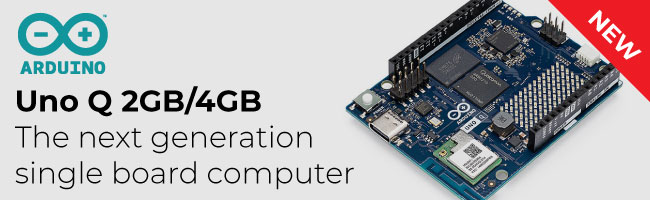
Then there's the UNO Q, which puts a Linux computer and a real-time microcontroller on the same UNO-sized board. The Linux side handles vision, AI models and Python, while the microcontroller takes care of the motors and sensors, all programmed together in Arduino App Lab. Our guide to the Arduino UNO Q in industry explains why that matters for edge AI prototypes.
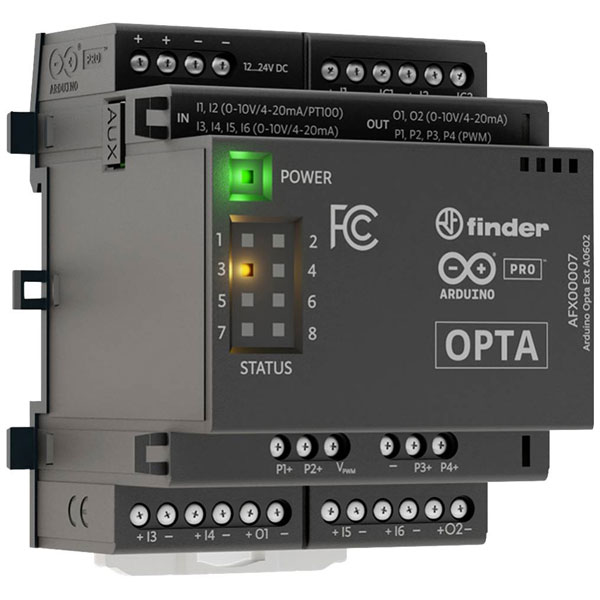
Arduino has moved onto the factory floor, too. The Opta is a compact micro PLC you can program in ladder logic or function block diagrams, or with familiar Arduino sketches, with secure over-the-air updates for remote sites. Teaching automation? The PLC Starter Kit wraps it in more than 20 hours of lessons, from Modbus communications to simulated industrial systems.
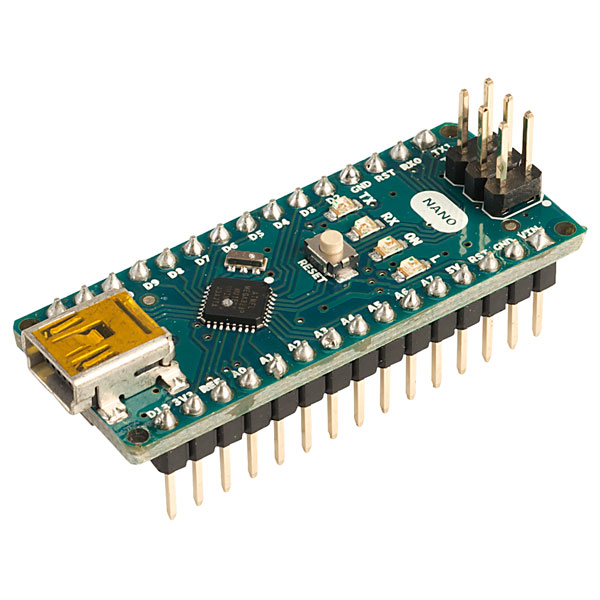
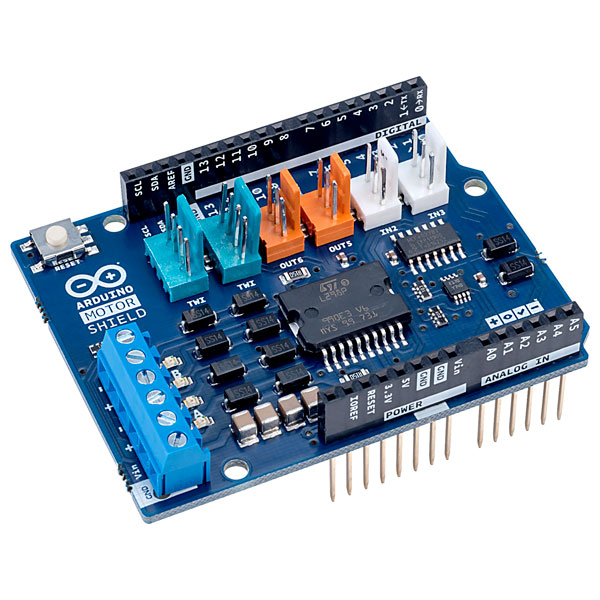
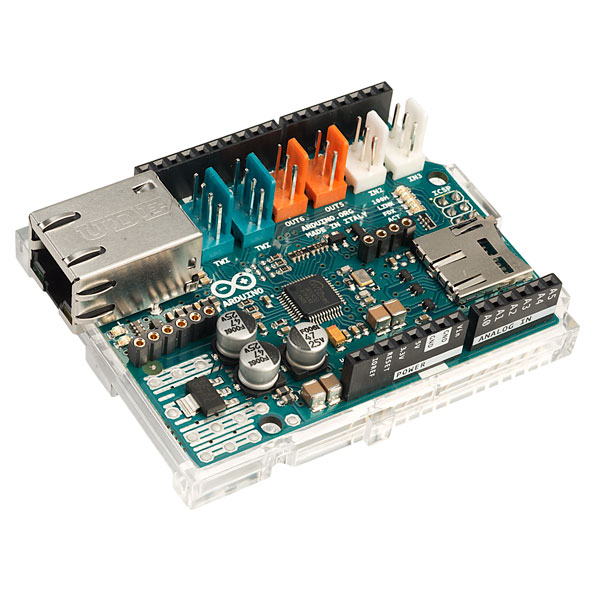
Whatever you're building, round it off with sensor boards, connectivity shields and ready-made Arduino kits. Equipping a classroom? Our Arduino Education range brings structured lessons and kits built for school and college courses.


 {{SessionBasket.ItemCount }}